Search



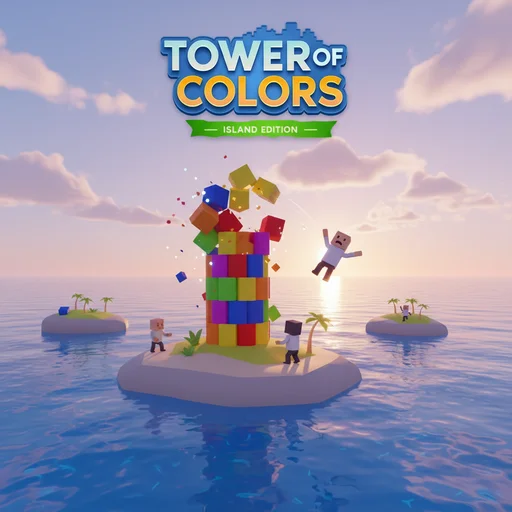
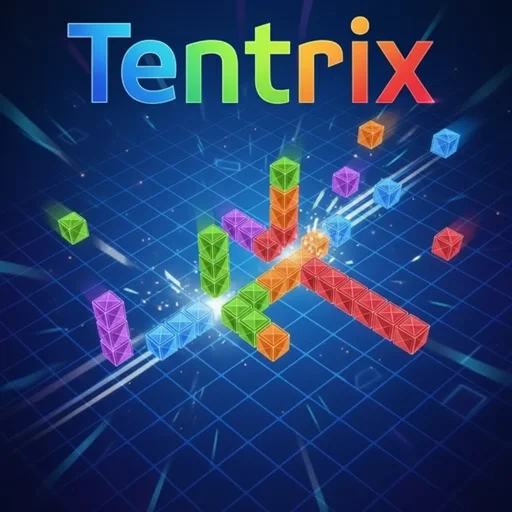

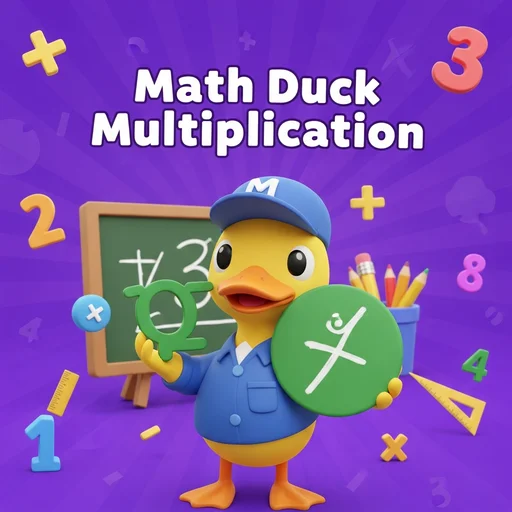
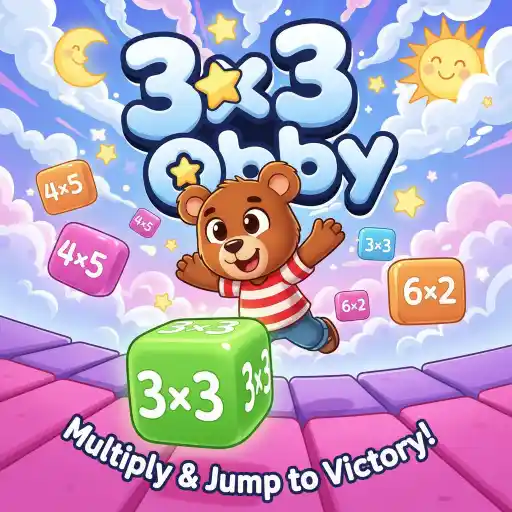
Educational games transform learning into play, making skill-building feel like entertainment rather than work. This category covers games designed to teach or reinforce academic subjects, cognitive skills, and practical knowledge while keeping players engaged and motivated. From math drills disguised as puzzles to language games that build vocabulary, educational titles prove that effective learning can be genuinely fun.
The subjects covered are comprehensive. Math games teach arithmetic, fractions, geometry, and algebra through interactive challenges that make abstract concepts concrete. Language and literacy games help with reading, spelling, vocabulary, grammar, and even foreign language learning. Science games explore topics like the solar system, human anatomy, ecosystems, and scientific methods through experiments and simulations. Geography games test knowledge of countries, capitals, flags, and landmarks. Logic and programming games introduce computational thinking and problem-solving strategies.
What makes educational games effective is their ability to provide immediate feedback and adaptive difficulty. When you answer correctly, you're rewarded with points, progress, or positive feedback that reinforces learning. When you make mistakes, many games offer hints or explanations that help you understand the correct answer rather than simply marking you wrong. This approach reduces frustration and builds confidence. Adaptive systems adjust difficulty based on your performance, ensuring content remains challenging but not overwhelming.
Gamification techniques enhance engagement and motivation. Progress bars, achievement systems, and unlockable content give players clear goals beyond just learning. Leaderboards and challenges add healthy competition. Story-based educational games wrap lessons in narratives where solving problems advances plots and helps characters. These elements make returning to practice feel rewarding rather than obligatory.
Educational games work for various age groups. Early childhood games use bright colors, simple controls, and basic concepts like shape recognition, counting, and letter identification. Elementary games cover core curriculum subjects with increasing complexity. Middle and high school games tackle advanced topics and prepare students for standardized tests. Even adult-focused educational games exist for learning new languages, improving typing speed, or training professional skills.
The interactivity of educational games creates advantages over passive learning. Active participation helps information stick better than simply reading or listening. Trial and error in a low-stakes game environment encourages experimentation without fear of real consequences. Visual and kinesthetic learners especially benefit from games that let them see and manipulate concepts directly.
Teachers and parents value educational games as supplemental learning tools. They can be assigned as homework, used in computer lab sessions, or offered as enrichment for students who finish work early. The self-paced nature lets each student progress at their own speed. Data and progress tracking in some games help educators identify areas where students struggle and need extra support.
Educational games also support differentiated learning. Students with different learning styles, speeds, and abilities can all use the same game but at appropriate difficulty levels. This makes educational games inclusive tools that accommodate diverse classroom needs without singling out any student.
Despite the educational focus, these games are designed to be enjoyable. Developers understand that if a game feels too much like a worksheet, students will disengage. The best educational games strike a balance where learning happens naturally as players pursue game objectives. Kids often don't even realize they're studying because they're focused on solving puzzles, competing for high scores, or advancing through levels.
Accessibility features in educational games ensure all learners can participate. Text-to-speech helps struggling readers. Colorblind modes ensure visibility. Multiple difficulty levels accommodate different skill ranges. Clear instructions and tutorials help students understand how to play without adult assistance.
Whether you're a student looking to practice skills, a parent seeking engaging homework alternatives, or a teacher wanting interactive classroom tools, educational games offer proven learning benefits wrapped in entertaining packages.
First published:
Latest game added:
Educational games cover math, reading, science, geography, languages, coding, logic, typing, and many other academic and practical skills.
Yes, research shows that well-designed educational games can improve engagement, retention, and understanding through interactive, adaptive learning experiences.
They work best as supplements to traditional instruction, reinforcing concepts and providing practice in engaging formats rather than replacing teachers.
Educational games are designed for specific age groups, from preschoolers learning colors to adults studying languages or professional skills.
Many educators integrate educational games into lesson plans, homework assignments, and computer lab activities to enhance student engagement and learning outcomes.