
Search

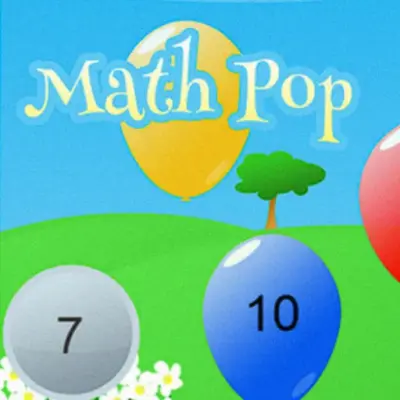
Math games prove that numbers can be fun. By wrapping mathematical concepts in interactive challenges, puzzles, and adventures, these games help players of all ages develop and practice essential math skills without the tedium often associated with traditional worksheets. Whether you're a student looking to improve grades, a parent seeking educational tools, or an adult wanting to sharpen mental math, this category offers effective, engaging ways to work with numbers.
The range of mathematical topics covered is comprehensive. Basic arithmetic games focus on addition, subtraction, multiplication, and division, helping younger students build foundational skills through repetition and practice. Fraction and decimal games visualize these concepts through puzzles and challenges that make abstract ideas concrete. Geometry games explore shapes, angles, area, and spatial relationships through interactive manipulation and problem-solving. Algebra games introduce variables and equations in accessible formats. Even advanced topics like probability and statistics appear in games designed for older students.
Mental math development is a key benefit of math games. Many titles include timed challenges that encourage quick calculation, improving speed and confidence with numbers. Countdown-style games where you must reach target numbers using specific operations train flexible thinking and number sense. These skills transfer directly to real-world situations where mental math saves time and builds confidence.
Visual and interactive elements make abstract math concepts easier to understand. Instead of just reading that one-half equals two-fourths, games let you manipulate visual fractions to see the equivalence directly. Geometry games let you rotate shapes, measure angles, and build structures, providing hands-on experience that deepens understanding. This multi-sensory approach helps concepts stick better than passive learning methods.
Adaptive difficulty is common in quality math games. As you answer correctly, problems become harder; when you struggle, difficulty decreases or hints appear. This personalized pacing ensures players stay in their optimal learning zone—challenged but not frustrated. Some games even identify specific areas where a player struggles and provide extra practice on those topics.
Progression and rewards keep players motivated. Earning stars, unlocking new levels, collecting virtual items, or advancing through story modes provides extrinsic motivation that complements the intrinsic satisfaction of solving problems. Achievement systems track milestones like "100 problems solved" or "5 days in a row practiced," encouraging consistent practice through gamification.
Math games serve various age groups with appropriate content. Preschool games teach counting and number recognition through colorful, simple interactions. Elementary games align with curriculum standards for each grade level. Middle and high school games tackle pre-algebra, algebra, geometry, and standardized test preparation. Adult-focused math games might emphasize practical skills like calculating tips, comparing prices, or general brain training.
Some math games embed mathematics within other genres. Math-based puzzle games require solving equations to unlock doors or progress through levels. Adventure games might include math challenges as obstacles to overcome. Strategy games sometimes use resource calculations that exercise mathematical thinking. These hybrid games appeal to players who might not choose a pure "math" game but enjoy problem-solving within other contexts.
Competitive elements add motivation for some learners. Timed challenges let you compete against your own best scores. Leaderboards show how you rank against other players. Multiplayer math games turn practice into friendly competition, whether you're racing to solve problems first or competing in math-based battles.
Teachers value math games as classroom resources. They can supplement lessons, provide differentiated practice, reward students who finish work early, or serve as engaging substitutes during computer lab time. Many educational platforms integrate math games into lesson plans and track student progress, giving teachers data to inform instruction.
The low-pressure environment of games reduces math anxiety for many students. When mistakes result in losing a game life or missing points rather than red marks on paper, the emotional stakes feel lower. This psychological safety encourages experimentation and risk-taking, which are essential for learning.
From counting games for preschoolers to calculus challenges for advanced students, math games make practicing numbers feel less like homework and more like play, proving that learning and entertainment aren't mutually exclusive.
First published:
Latest game added:
Math games cover everything from basic counting and arithmetic to fractions, geometry, algebra, and even advanced topics depending on the intended age group.
Yes, research shows that quality math games can improve computational fluency, number sense, and problem-solving skills through engaging, repeated practice.
Many educational math games are specifically designed to align with common core standards and grade-level expectations.
Absolutely, math games help adults maintain skills, prepare for tests, or simply challenge their brains with numerical puzzles.
Well-designed math games integrate challenges into puzzles, adventures, and competitions that make practicing math genuinely fun and engaging.