Search
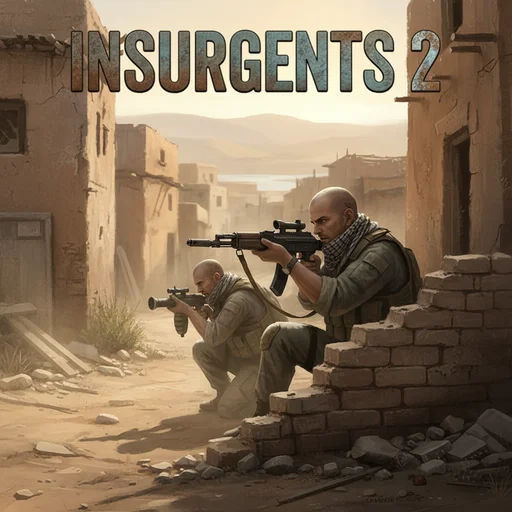
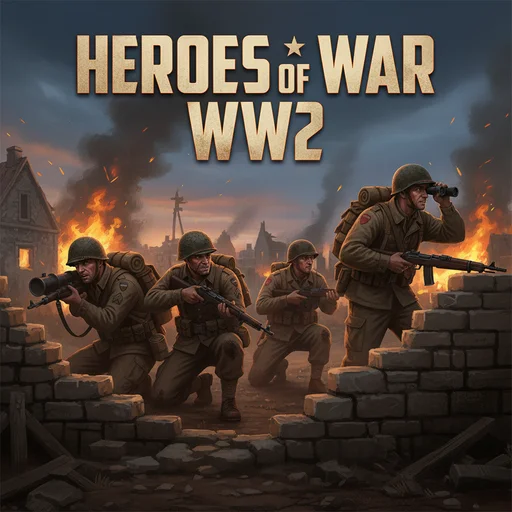
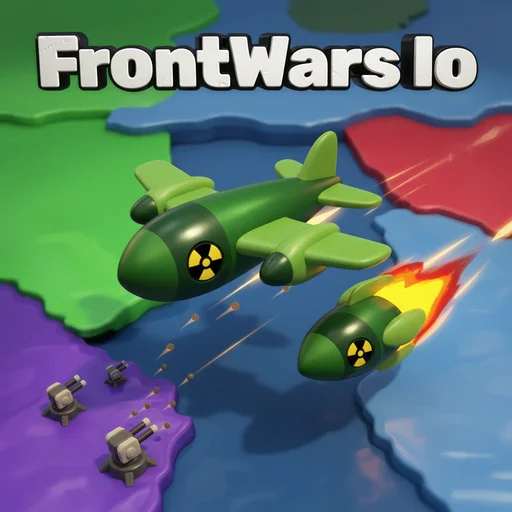
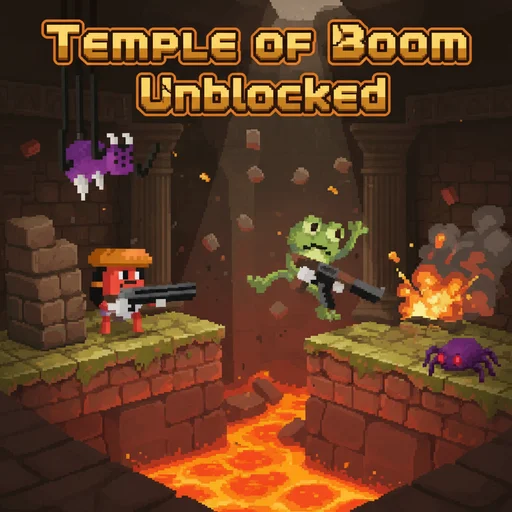
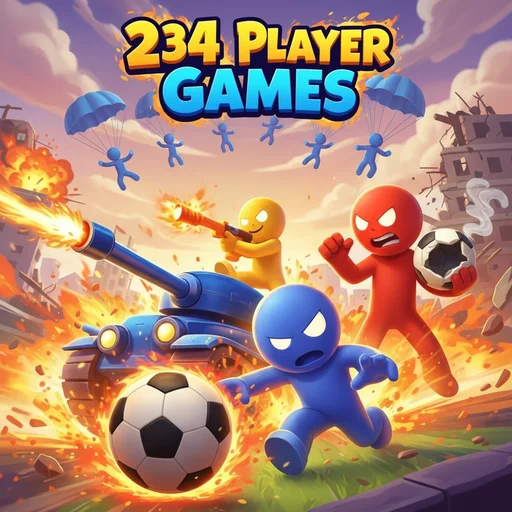
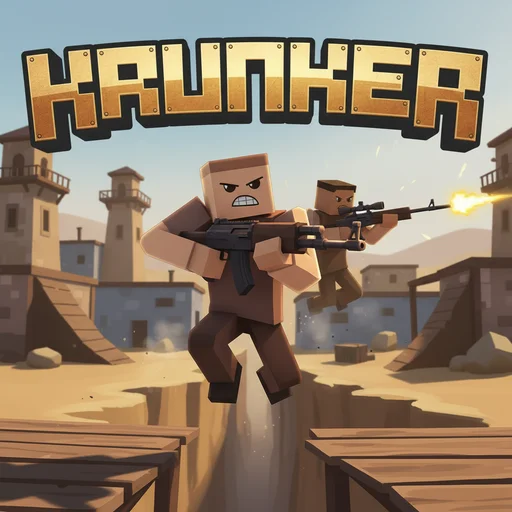
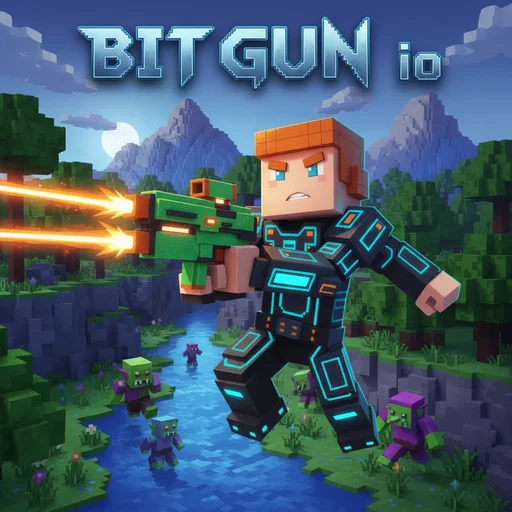
War games simulate military conflicts ranging from small skirmishes to massive campaigns. These strategy and action titles let you command troops, control vehicles, plan tactics, and experience warfare's intensity from safe, virtual distances. Whether you prefer strategic command of entire armies or first-person combat as individual soldiers, war games provide diverse military experiences across historical periods and fictional conflicts.
Strategy war games emphasize tactical planning and resource management. You might command armies across campaign maps, making decisions about unit deployment, supply lines, and combat engagements. These games reward understanding military principles like terrain advantage, force concentration, and strategic objectives. Victory comes from outsmarting opponents through superior planning rather than reflexes.
Real-time tactics (RTT) games focus on battlefield command during combat. You control squads or companies of units in real-time engagements, positioning forces, flanking enemies, and using terrain effectively. RTT games emphasize small-scale tactical decisions rather than large strategic campaigns, creating intense combat scenarios.
Turn-based war games let you carefully consider each move. Like chess but with military themes, these games reward thoughtful analysis of battlefield situations. You might plan unit movements, coordinate attacks, and counter enemy strategies without time pressure, making them perfect for methodical, intellectual players.
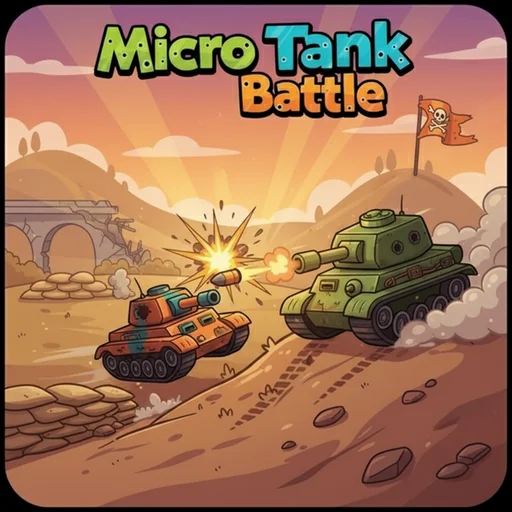
Tank and vehicle combat games put you directly in military machines. You might control tanks in armored battles, pilot helicopters in air assaults, or command naval vessels. These games often include vehicle customization, realistic damage models, and multiple crew positions, creating detailed combat experiences.
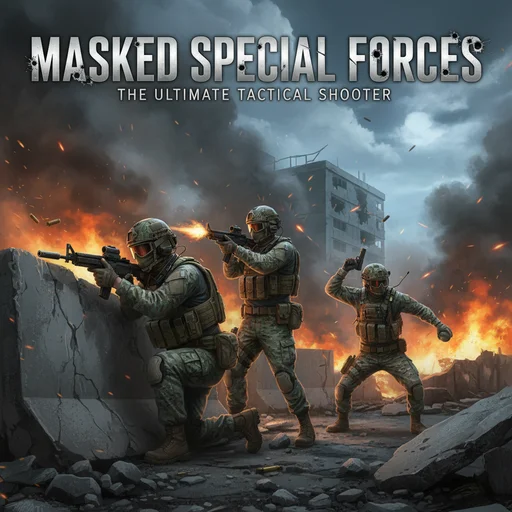
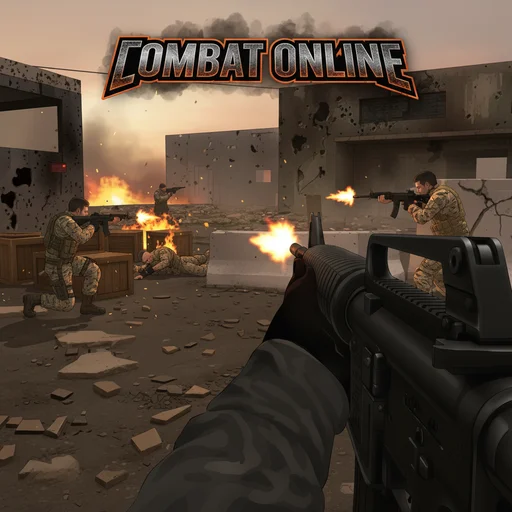
First-person and third-person war shooters immerse you in soldier perspectives. You experience ground combat directly, using weapons, taking cover, and completing military objectives. These action-focused war games emphasize personal skill and quick reactions rather than strategic command.
Historical war games recreate actual conflicts. World War II remains popular, but games also cover ancient warfare, medieval battles, Napoleonic wars, and modern conflicts. Historical authenticity varies from carefully researched simulations to games that take creative liberties with history for gameplay purposes.
Fictional and futuristic war settings provide creative freedom. Science fiction wars might include advanced technology, alien enemies, or alternate timelines. These settings escape historical constraints, offering unique units, weapons, and scenarios impossible in realistic military contexts.
Tower defense war games adapt military themes to the popular genre. You position artillery, troops, and defensive structures to stop enemy waves from reaching objectives. The military setting adds thematic cohesion to strategic base defense gameplay.
Campaign modes provide structured progressions through interconnected battles. You might follow historical events, fictional storylines, or procedurally generated conflicts. Campaigns create narrative arcs and long-term goals beyond isolated battles, increasing investment and satisfaction.
Sandbox war games offer free-form military experiences. You might control entire battlefields without preset objectives, experimenting with different units, tactics, and scenarios. These creative military playgrounds appeal to players who enjoy experimentation over structured challenges.
Multiplayer war games create dynamic competition and cooperation. Team-based modes require coordination and strategy as players work together against opponents. The unpredictability of human players creates varied, memorable battles that AI cannot replicate.
Realism levels vary dramatically across war games. Military simulations model actual tactics, equipment capabilities, and command structures with high fidelity. Arcade war games simplify complexity for accessibility and immediate fun. Both approaches have audiences depending on desired experience depth.
Ethical considerations surround war game content. While virtual warfare removes real violence and consequences, the themes remain sensitive. Age-appropriate content filtering ensures younger players access suitable games while mature audiences can engage with realistic military scenarios.
Historical education occurs incidentally through many war games. Players learn about past conflicts, military technology evolution, and strategic principles that shaped history. While not replacing formal education, war games can spark interest in military history and complement learning.
The strategic depth, tactical challenge, and dramatic scenarios of military conflict translate effectively to gaming, creating experiences that test planning, adaptability, and decision-making under pressure.
First published:
Latest game added:
Options include strategy, tactics, first-person shooters, tank battles, tower defense, and more across historical, modern, and fictional settings.
Accuracy varies—some games carefully recreate actual conflicts while others use military themes loosely for entertainment purposes.
Violence levels vary from abstract strategy with minimal graphic content to realistic combat simulations, so checking ratings is important.
Some war-themed games are appropriate for children with mild, strategic content, while others are designed for mature audiences.
Many incorporate actual tactical and strategic principles, potentially teaching valuable concepts about planning, logistics, and decision-making.