Search
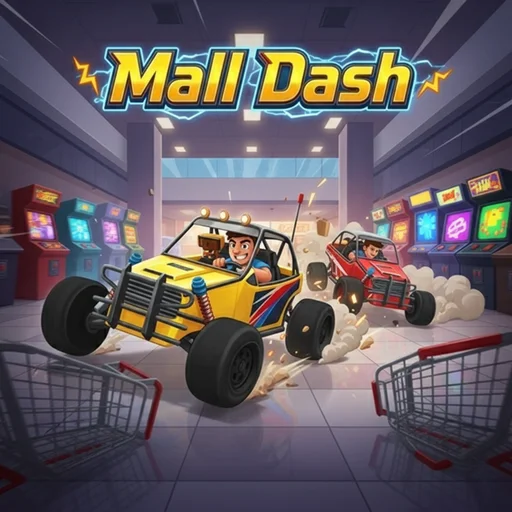

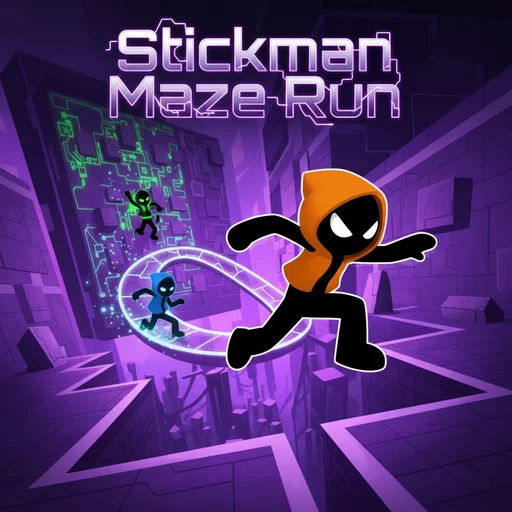
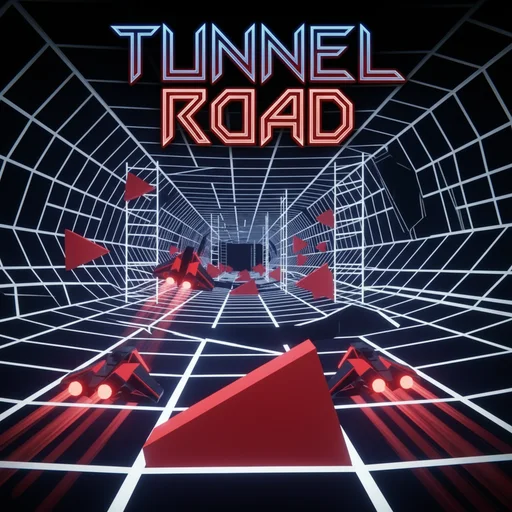
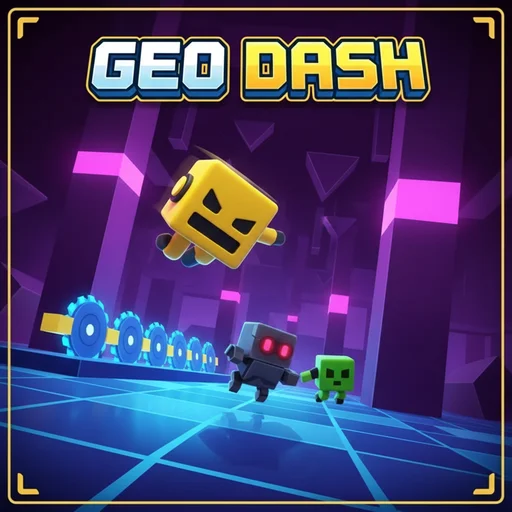
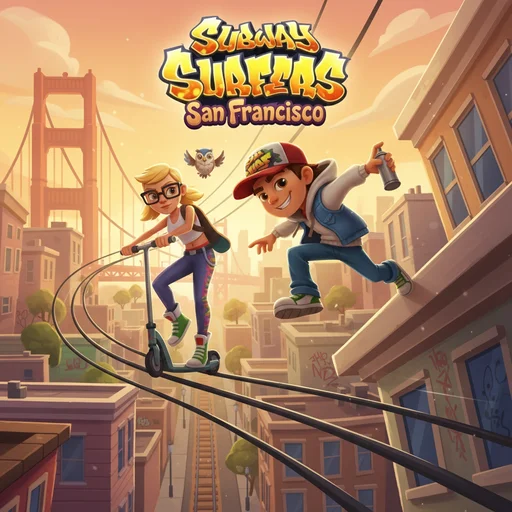
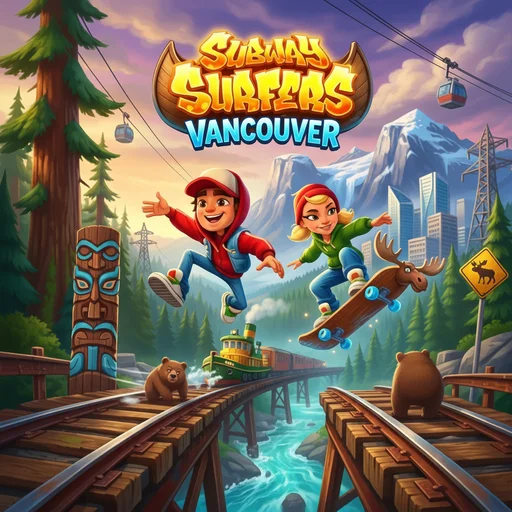


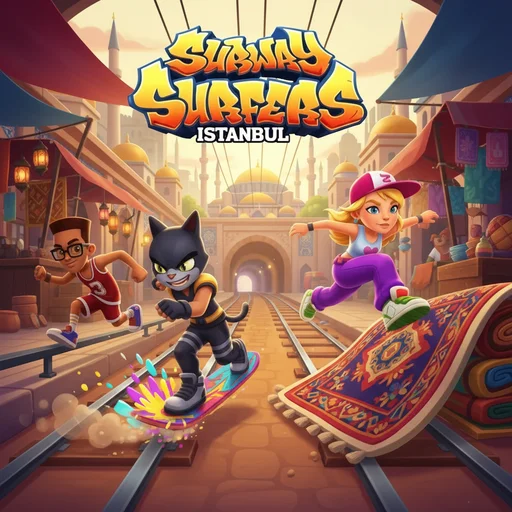
Running games strip movement to its purest, most exhilarating form: constant forward motion through increasingly challenging obstacles. Whether endlessly sprinting through procedural levels or completing structured obstacle courses, running games test reflexes, timing, and split-second decision-making. The simple "run and don't stop" premise creates accessible yet surprisingly deep experiences perfect for quick sessions or extended score-chasing marathons.
Endless runners define the core running game experience. Your character moves forward automatically at increasing speeds while you jump, slide, and dodge obstacles that appear constantly. There's no finish line—you run until you crash. The goal is surviving as long as possible while collecting coins, points, or distance. This format creates perfect pick-up-and-play experiences where each attempt is quick but "one more try" compulsion is strong.
The automatic running mechanic frees you from movement controls, letting you focus entirely on timing and reactions. This streamlined input makes running games perfect for mobile devices and accessible for players of all skill levels. You're not controlling movement direction—you're managing obstacles and opportunities that rush toward you.
Procedural generation keeps endless runners fresh. Rather than memorizing static level layouts, you face randomized obstacle arrangements each run. This unpredictability means you must react to whatever appears rather than following memorized patterns. Each attempt feels unique, and mastery comes from developing reflexes and pattern recognition rather than rote memorization.
Obstacle variety demands different responses. Low barriers require jumping, ceiling obstructions need sliding, pits must be leaped over, and moving hazards require timing. Mixing obstacle types creates rhythm and prevents monotony. Advanced runners might introduce obstacles requiring multiple quick actions in sequence, creating combo-like challenge sequences.
Power-ups provide temporary advantages. Speed boosts launch you forward rapidly, invincibility shields let you crash through obstacles safely, magnet power-ups automatically collect coins, and double-point multipliers increase scoring. Managing power-up timing and availability adds light strategy to reactive gameplay.
Progressive difficulty ensures appropriate challenge. Early runs move slowly with simple obstacles spaced generously. As you survive longer, speed increases, obstacles appear more frequently and in complex combinations, and available reaction time shrinks. This natural difficulty curve means every run, regardless of duration, feels appropriately challenging.
Structured level-based runners offer different experiences than endless formats. Rather than infinite procedural runs, these games feature designed stages with beginnings, ends, and specific challenges. You might have objectives beyond pure survival—collecting all items, finishing under time limits, or avoiding any damage. This structured approach provides clear progression and variety.
Parkour and free-running games emphasize movement mastery. You vault over obstacles, wall-run across surfaces, slide under barriers, and chain movements into flowing sequences. These games celebrate graceful, athletic movement, rewarding style alongside speed. Finding optimal routes and executing perfect runs delivers deep satisfaction.
Character variety adds personality and sometimes gameplay differences. Different characters might have unique abilities, starting power-ups, or even altered physics. Unlocking new runners through progression provides goals and variety.
Coin and currency collection drives progression systems. Coins earned during runs purchase upgrades like longer power-up durations, increased starting speeds, or revival opportunities. This meta-progression ensures even failed runs contribute to long-term advancement.
Visual variety prevents monotony in endless games. Runners often transition between themed zones—cities, forests, temples, space stations—keeping visuals fresh. Dynamic weather, time-of-day changes, and background events add life to environments rushing past.
Leaderboards and social competition extend appeal. Comparing distances with friends or global rankings creates motivation to push further. Daily challenges with special rules or unique obstacle configurations give regular players fresh goals.
The flowing, rhythmic quality of running games creates meditative states despite fast action. When you hit your stride, dodging obstacles becomes almost musical—timed jumps and slides matching environmental rhythms. This flow state is both relaxing and exhilarating.
Whether you have thirty seconds for a quick endless run or want to master structured levels over hours, running games deliver straightforward, addictive action that proves sometimes the simplest concepts create the most compelling gameplay.
First published:
Latest game added:
Endless runners feature automatic forward movement while you dodge obstacles as long as possible, with difficulty increasing until you crash.
Endless runners continue until you fail, while level-based runners have specific endpoints and structured objectives to complete.
Browser-based running games need initial loading but some may work offline once fully loaded, depending on the specific game.
Yes, most running games are family-friendly with simple controls, colorful graphics, and no mature content.
Success comes from developing reflexes, learning obstacle patterns, timing jumps and slides precisely, and practicing consistently to improve reactions.