Search
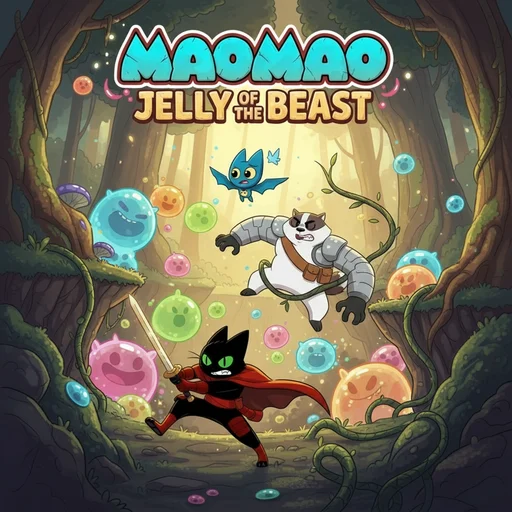
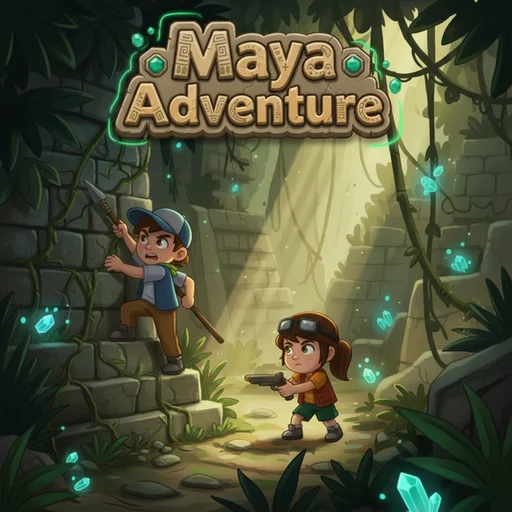
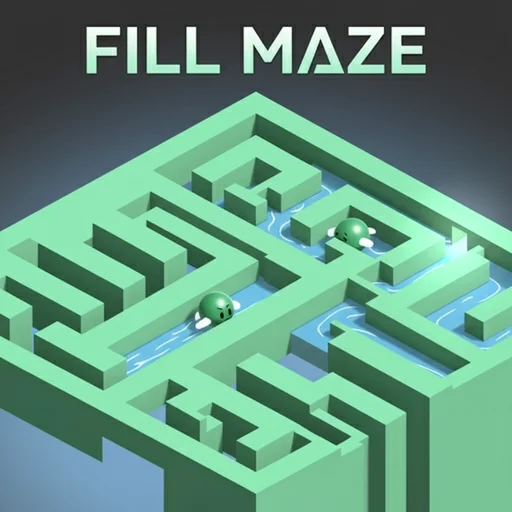
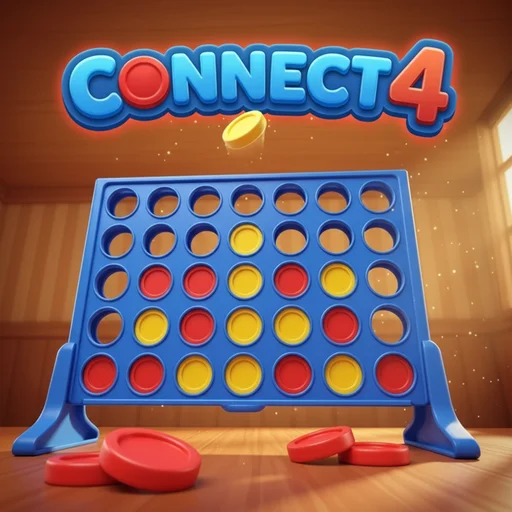
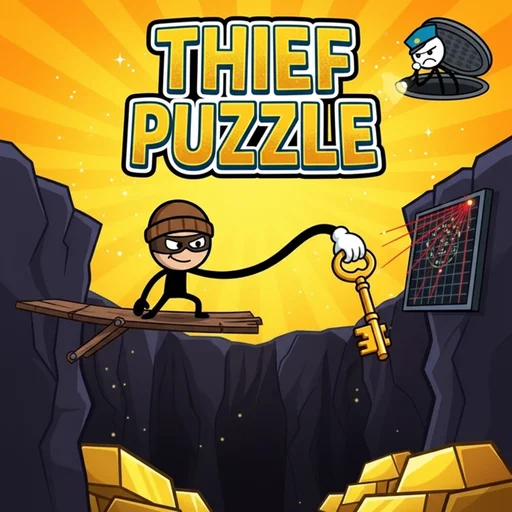
Puzzle games challenge your mind through pattern recognition, logical thinking, spatial reasoning, and problem-solving. This diverse category includes everything from relaxing match-3 games to complex logic puzzles that require deep thought and strategy. Whether you seek casual entertainment or serious mental workouts, puzzle games provide satisfying "aha!" moments when solutions click into place and challenges are overcome.
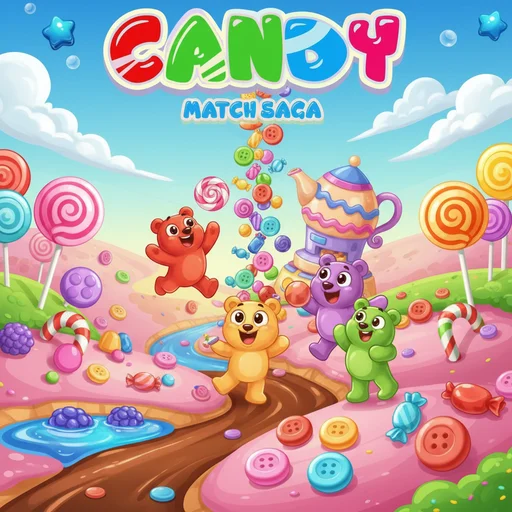
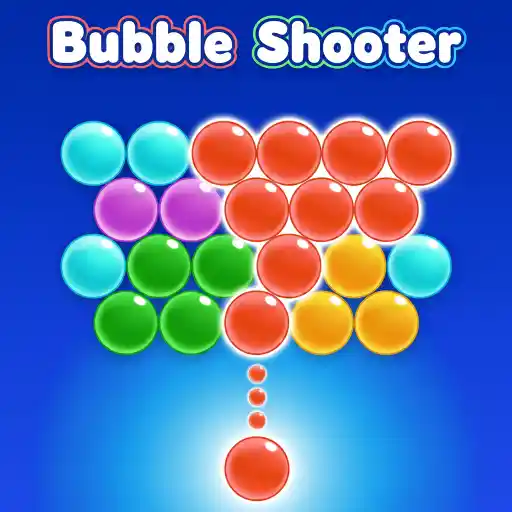
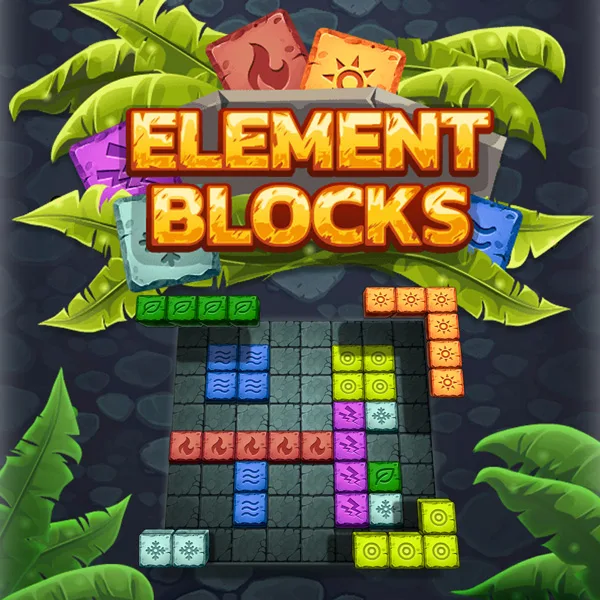
Match-3 games are among the most popular puzzle subgenres. You swap adjacent items to create rows or columns of three or more matching pieces, which then disappear and score points. This simple mechanic supports endless variation through different board layouts, special pieces with unique effects, objectives beyond just scoring, and themed visuals. Match-3 games are perfect for casual play yet can become surprisingly strategic at higher levels.
Logic puzzles require deductive reasoning to solve. These might include number puzzles where you place digits following specific rules, grid-based puzzles where you use clues to determine correct arrangements, or sequence challenges where you identify patterns and predict what comes next. Logic puzzles appeal to analytical minds and often have single correct solutions that feel immensely satisfying to discover.
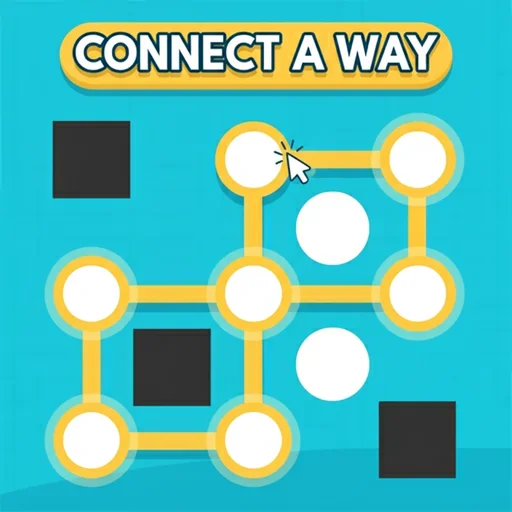
Spatial puzzles challenge your ability to manipulate shapes and understand geometric relationships. Tile-sliding puzzles ask you to rearrange scrambled pieces into correct configurations. Rotation puzzles require turning pieces until they align properly. Connection puzzles have you linking points while following rules about paths crossing. These puzzles develop spatial intelligence and planning skills.
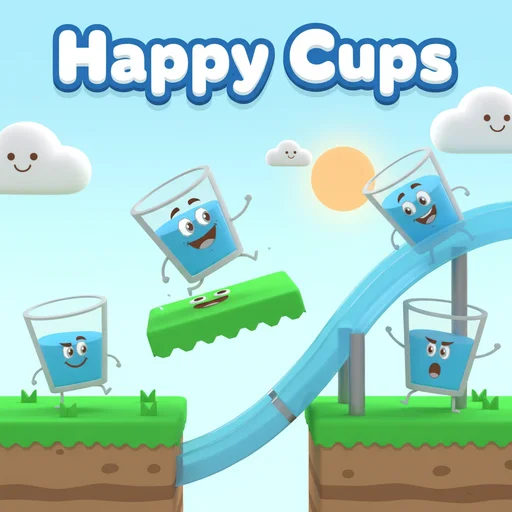
Physics puzzles combine puzzle-solving with realistic object behavior. You might need to remove blocks so balls roll to goals, cut ropes so objects swing to targets, or place items to create chain reactions. Understanding how gravity, momentum, and collisions work becomes essential to solving these interactive challenges where trial and error is part of the fun.
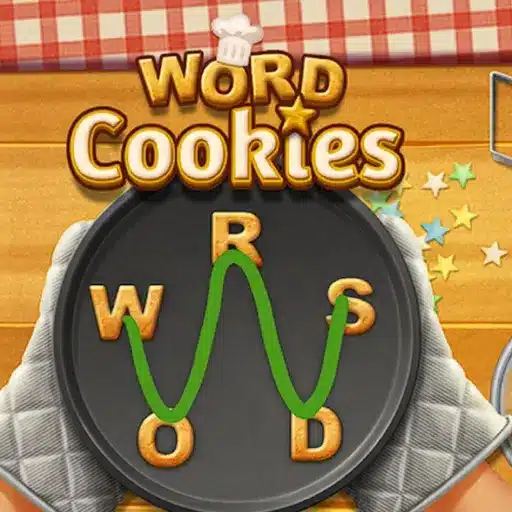
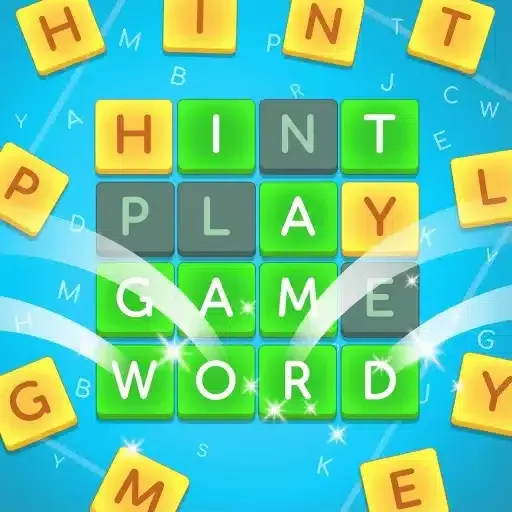
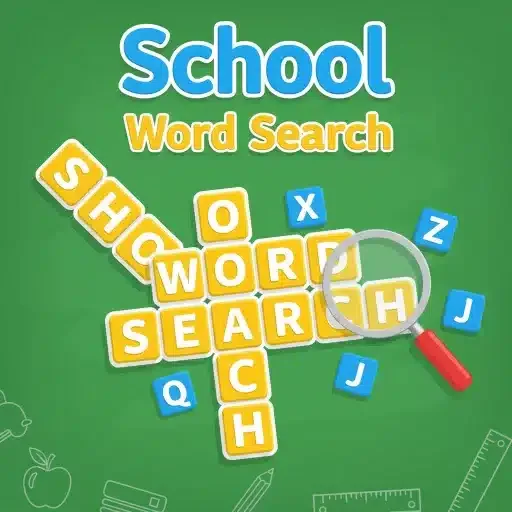
Word puzzles test vocabulary and language skills. Crosswords provide clues to fill letter grids. Word search challenges hide words in letter matrices. Anagrams scramble letters you must rearrange. Word connection games ask you to find relationships between terms. These puzzles are excellent for expanding vocabulary while providing entertainment.
Jigsaw-style puzzles present fragmented images you must reconstruct. Pieces must be rotated and positioned correctly to recreate complete pictures. These puzzles are meditative and satisfying, offering clear visual feedback on progress. Difficulty scales with piece count and image complexity.
Escape room and point-and-click puzzles place you in scenarios where you must find clues, solve interconnected challenges, and use inventory items correctly to progress. These often include narrative elements and multiple puzzle types combined into coherent experiences. They reward careful observation and logical thinking.
Minimalist puzzles embrace simplicity in presentation and mechanics. With clean visuals and straightforward rules, these puzzles create elegance from simplicity. The challenge comes from applying simple rules in increasingly complex configurations. Minimalist design removes distractions, letting you focus entirely on solving.
Difficulty progression in puzzle games carefully balances challenge with accessibility. Early puzzles teach mechanics and build confidence. Mid-game challenges require applying learned concepts in new combinations. Late-game or bonus puzzles push your skills to their limits. This curve ensures beginners aren't overwhelmed while experts remain engaged.
Hint systems help when you're stuck. Rather than simply giving answers, good hint systems provide nudges that guide thinking without removing the satisfaction of solving independently. This prevents frustration while preserving accomplishment.
Timed versus untimed modes cater to different preferences. Timed puzzles add pressure and test quick thinking alongside problem-solving. Untimed modes let you ponder challenges at your own pace, making puzzles meditative and stress-free. Many games offer both options.
The psychological appeal of puzzles lies in achievable challenges and clear feedback. Every puzzle has a solution, every action produces clear results, and success delivers concrete satisfaction. This predictability and structure make puzzles comforting and rewarding, explaining their enduring popularity across all ages.
Daily puzzle features in many games provide bite-sized challenges that keep you returning. Completing daily puzzles maintains habits and offers fresh content without requiring long sessions.
From quick match-3 sessions to hours-long logic challenge marathons, puzzle games deliver mental exercise wrapped in entertainment, proving that thinking can be as fun as action or adventure.
First published:
Latest game added:
Popular types include match-3, logic, spatial, physics, word, jigsaw, and escape room puzzles, each challenging different cognitive skills.
Yes, puzzles can improve pattern recognition, problem-solving, memory, and logical thinking through engaging mental exercise.
Some include time limits for added challenge, but many offer relaxed, untimed modes where you can solve at your own pace.
Absolutely—puzzle games range from simple matching for young children to complex logic challenges for adults, with options for every skill level.
Many puzzle games are specifically designed to be calming and meditative, perfect for stress relief and unwinding.