Search



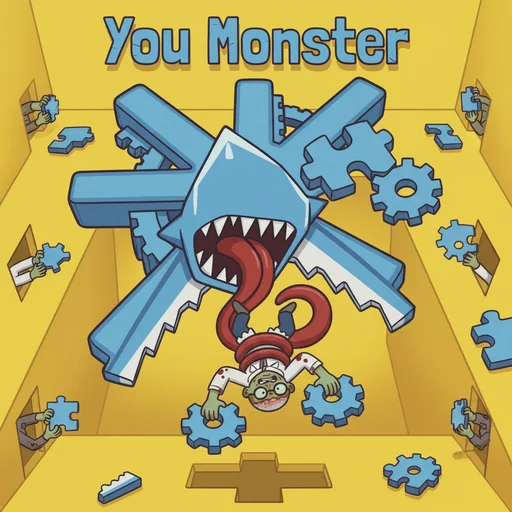





Physics games celebrate the laws of motion, gravity, and force through interactive gameplay that makes science entertaining. These titles use physics engines to create realistic or exaggerated object behavior, letting you experiment with cause and effect in playful environments. From building stable structures to launching projectiles to watching ragdoll characters tumble hilariously, physics games combine education, problem-solving, and pure fun in unique ways.
Realistic physics simulation is the foundation of this category. Objects have weight, momentum, and respond to forces like gravity, friction, and collisions according to rules modeled after real-world physics. When you knock over a tower, blocks tumble and scatter believably. When you launch a projectile, it follows a parabolic arc affected by initial angle and velocity. This realistic behavior creates satisfying interactions where outcomes feel earned and predictable once you understand the rules.
Puzzle physics games challenge you to achieve goals using physical interactions. You might need to remove blocks so specific objects fall into target zones without others falling. Or create Rube Goldberg-style chain reactions where one action triggers a sequence of physical events leading to a goal. These puzzles require understanding how objects interact, predicting outcomes, and often creatively solving problems with limited resources. The satisfaction of watching your solution unfold successfully is deeply rewarding.
Building and construction physics games task you with creating stable structures under constraints. You might build bridges strong enough to support vehicles, towers that withstand gravity and wind, or fortifications that protect characters. These games teach principles like load distribution, structural integrity, and tension versus compression through hands-on experimentation. Trial and error is encouraged—failed structures collapse dramatically, but you immediately try again with new knowledge.
Destruction physics games flip building on its head. Instead of constructing, you demolish. Plant explosives to bring down buildings, catapult projectiles to destroy fortresses, or trigger chain reactions of destruction. These games celebrate chaotic physics, with debris flying, structures crumbling, and spectacular collapses that are as entertaining to watch as they are to cause. The stress relief of controlled destruction appeals to many players.
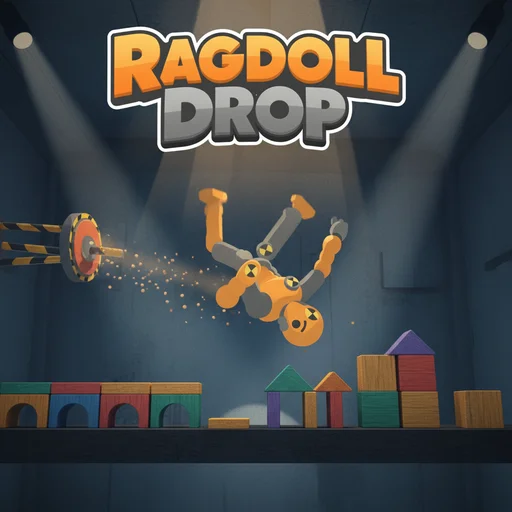
Ragdoll physics games feature characters with no animations—just joints and limbs that respond to forces. When characters fall, crash, or are launched, their bodies flail and tumble in hilarious, realistic ways. Ragdoll games often involve deliberately hurting characters in silly scenarios or creating maximum chaos. The unexpected movements and comedic failures make ragdoll physics endlessly entertaining.
Projectile and trajectory games focus on launching objects—catapults, cannons, rockets, or thrown items—to hit targets or reach goals. Success requires understanding angles, power, and how physics affects flight paths. Wind, gravity modifications, and obstacles add complexity. These games often include upgrade systems where you enhance projectile speed, add special abilities, or unlock new ammunition types.
Vehicle physics games emphasize realistic car, bike, or machine behavior. You might navigate impossible obstacle courses where suspension, weight distribution, and momentum management are critical. Driving becomes a physics puzzle where understanding how vehicles respond to terrain and input separates success from comedic failures. Crashes and flips are often exaggerated for entertainment value.
Educational potential in physics games is significant. Players naturally learn about gravity, momentum, force, energy, leverage, and other concepts through direct interaction. Students often understand physics principles better after experimenting in games than from passive reading. Teachers sometimes use physics games as engaging supplements to science lessons.
The experimental nature encourages creativity. Most physics games welcome unconventional solutions. If you can achieve the goal using physics, the method doesn't matter. This freedom rewards creative thinking and lateral problem-solving. Watching other players' solutions often reveals inventive approaches you never considered.
Visual feedback is crucial in physics games. Clear animations show forces acting on objects. Trails might show projectile paths. Stress indicators on structures show where forces concentrate. This visual communication helps players understand what's happening and adjust strategies accordingly.
Difficulty progression introduces new mechanics gradually. Early levels teach basics with simple scenarios. Later challenges combine multiple concepts, require precise execution, or include novel twists. This learning curve makes physics games accessible to beginners while challenging experienced players.
Whether you're engineering bridges, launching projectiles, triggering chain reactions, or laughing at ragdoll mayhem, physics games make science interactive, accessible, and undeniably fun.
First published:
Latest game added:
Yes, they teach concepts like gravity, momentum, force, and structural stability through hands-on experimentation in engaging contexts.
Most use realistic physical rules, though some exaggerate effects for entertainment, and precision varies by game complexity and purpose.
Not at all—physics games teach through intuition and experimentation rather than calculations, making them accessible to everyone.
Many are family-friendly and excellent for curious learners, though some destructive or ragdoll games may include mild cartoon violence.
They supplement science education by making abstract concepts concrete and memorable through interactive experience.