Search
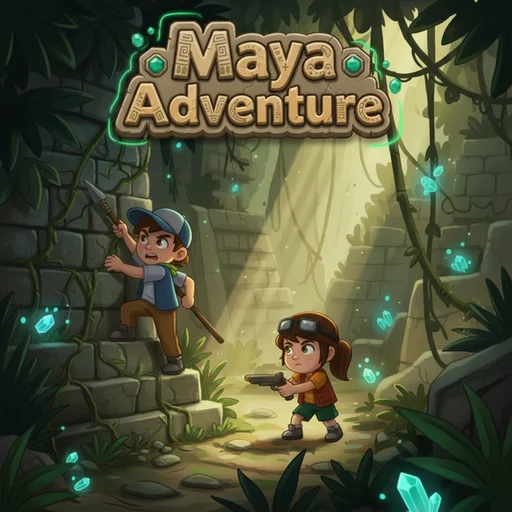
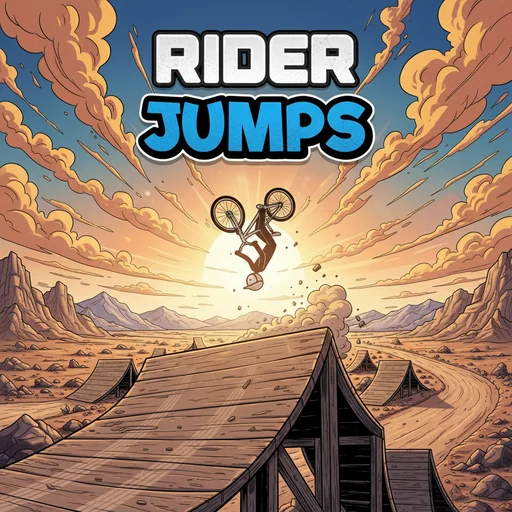

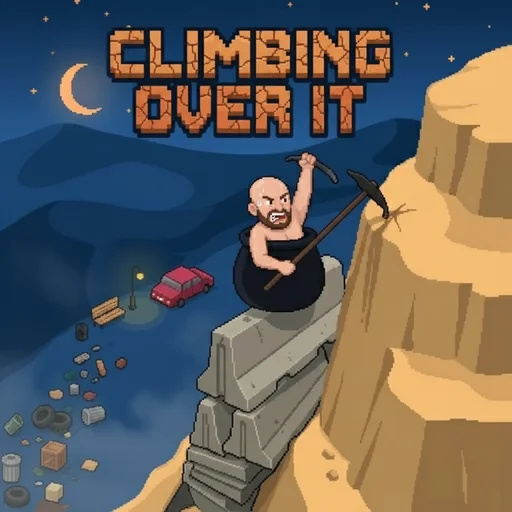
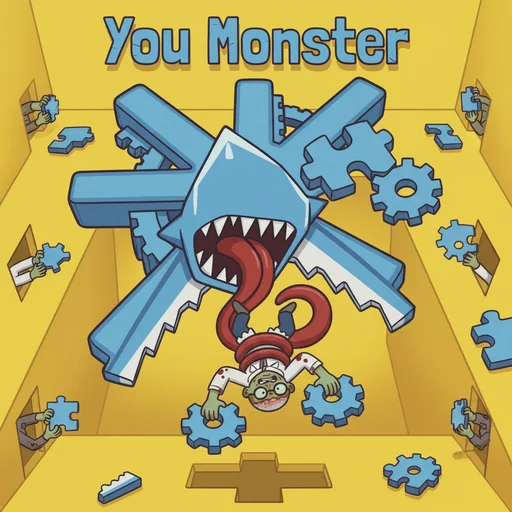
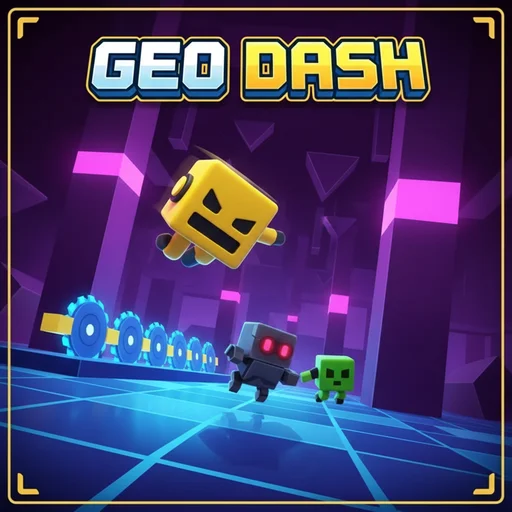
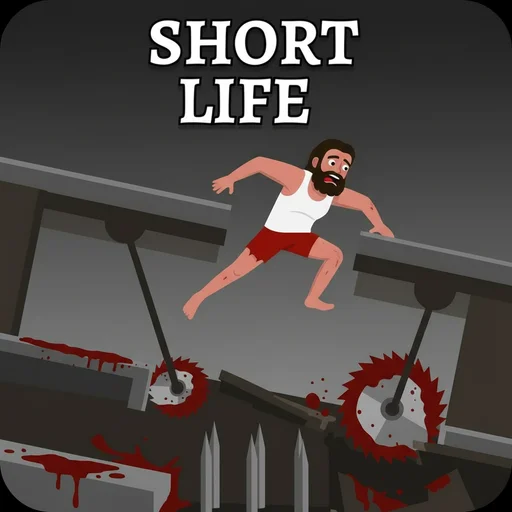
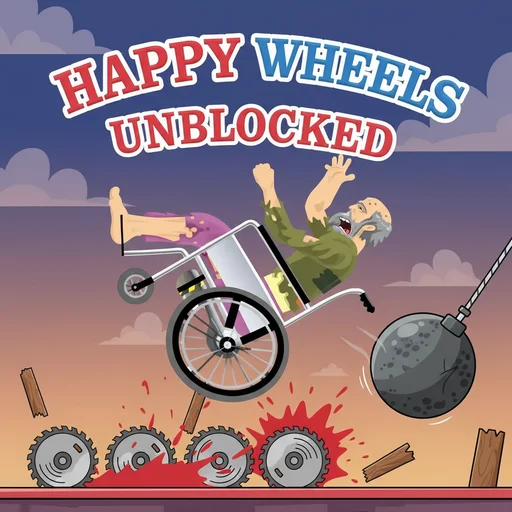
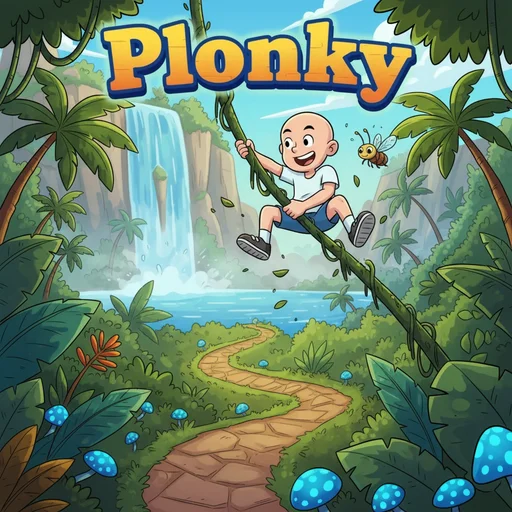
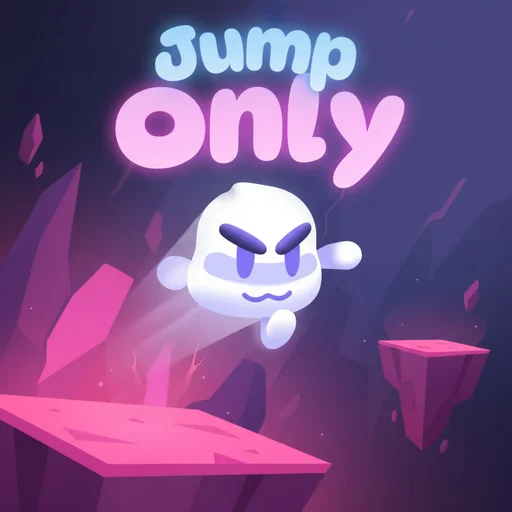
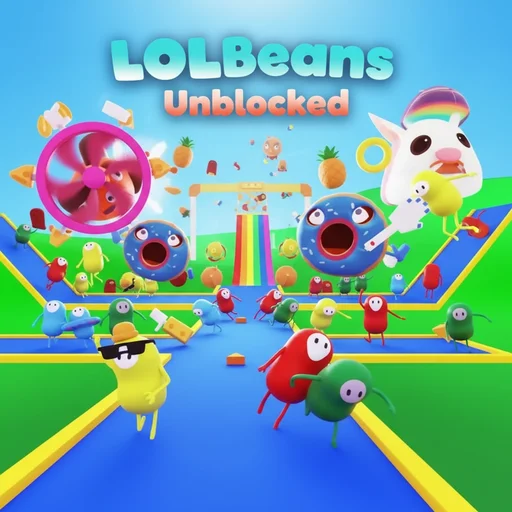
Platformer games define the core of classic gaming. This genre focuses on navigating characters through environments by running, jumping between platforms, and avoiding hazards. From side-scrolling adventures that recall arcade classics to modern 3D interpretations with complex movement systems, platformers deliver pure gameplay where precision, timing, and skill determine success. The genre's long history and continued popularity prove that jumping between platforms remains endlessly satisfying when executed well.
The fundamental mechanics are elegantly simple: movement, jumping, and avoiding hazards. Yet within this simplicity lies surprising depth. Jump timing and distance must be precise to land on narrow platforms. Movement speed affects jump distance, requiring players to intuitively calculate velocities. Momentum carries you forward, so stopping requires anticipation. These physics-like movement rules create skill-based challenges where practice improves performance measurably.
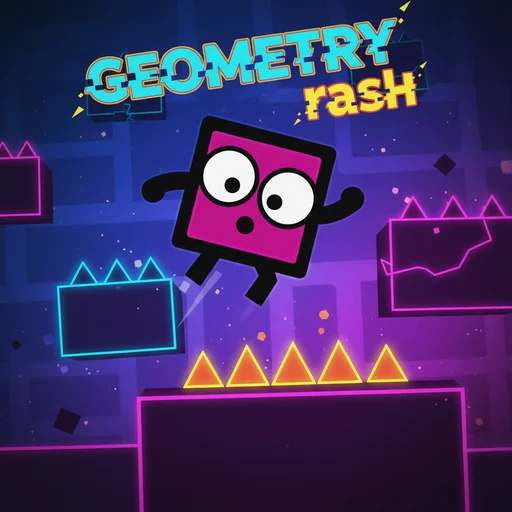
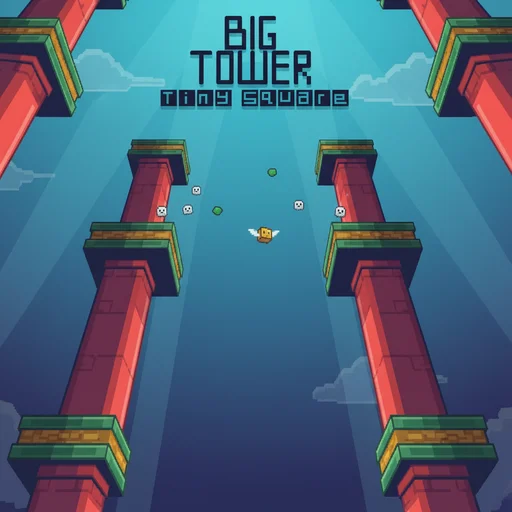
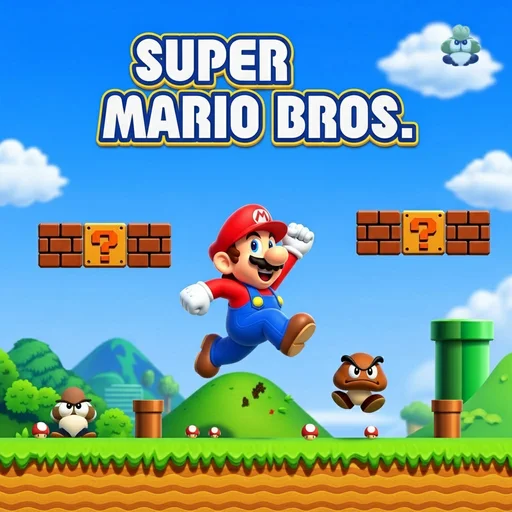
2D platformers use side-scrolling perspectives where you move left-right through levels, jumping up-down between platforms. This classic format emphasizes precision jumping, enemy timing, and environmental hazards like spikes, pits, and moving obstacles. 2D platformers often feature pixel art or hand-drawn visuals that pay homage to genre classics while introducing modern design sensibilities.
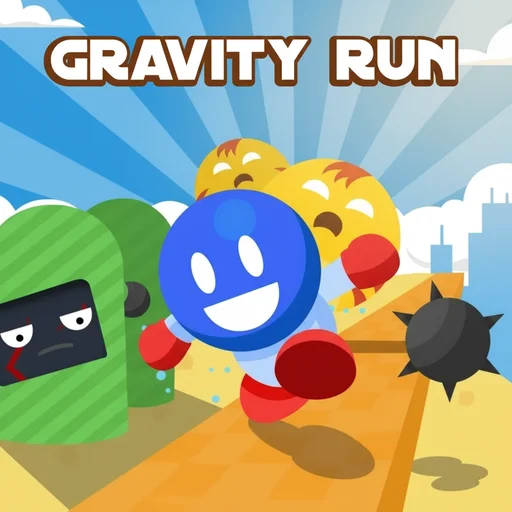
3D platformers expand into three dimensions, giving you freedom to explore in all directions. These games emphasize spatial reasoning and camera management alongside traditional platforming skills. Collecting items scattered throughout levels becomes a major objective. 3D platformers often feature colorful, expansive worlds designed for exploration as much as challenge.
Level design is critical to platformer quality. Good levels teach mechanics through design rather than text instructions. New obstacles are introduced safely, giving you chances to learn before difficulty increases. Rhythm and pacing alternate between intense challenge sections and calmer moments where you catch your breath. Checkpoints are placed thoughtfully so failures don't force excessive repetition.
Tight, responsive controls separate great platformers from mediocre ones. Your character should respond instantly to input with no lag or unpredictability. Jump height might vary based on how long you hold the jump button. Air control lets you adjust mid-jump direction slightly. These refinements give you precise agency over character movement, making success or failure feel entirely earned.
Enemy encounters add variety to pure platforming. Foes might patrol platforms, requiring you to time movements to avoid them. Some enemies can be jumped on to defeat, creating attack timing puzzles. Boss battles combine platforming challenges with pattern-recognition combat. These encounters test your ability to multitask: maintaining platforming precision while managing threats.
Collectibles and exploration reward thorough players. Hidden areas might contain bonus coins, power-ups, or cosmetic unlocks. Optional challenging routes offer rewards for skilled players willing to take risks. This optional content increases replay value and gives completionists goals beyond simply finishing levels.
Power-ups and abilities expand gameplay possibilities. Double-jumps let you reach previously impossible heights. Dash abilities speed movement and extend jump distance. Wall-jumps and climbing introduce vertical movement options. These mechanics are often introduced gradually, with levels designed specifically around each new ability, keeping gameplay fresh throughout.
Difficulty philosophies vary across platformers. Some embrace punishing difficulty where death is frequent but restart is instant, encouraging mastery through repetition. Others offer forgiving experiences with generous checkpoints, power-ups, and assist modes that welcome all skill levels. Both approaches have audiences—some players crave hardcore challenges while others prefer accessible adventures.
Speedrunning culture thrives around platformers. The precision and skill ceiling make them perfect for competitive time trials. Players discover shortcuts, optimize movement, and execute frame-perfect tricks to complete levels as fast as possible. This transforms finished games into long-term challenges where mastery is always just out of reach.
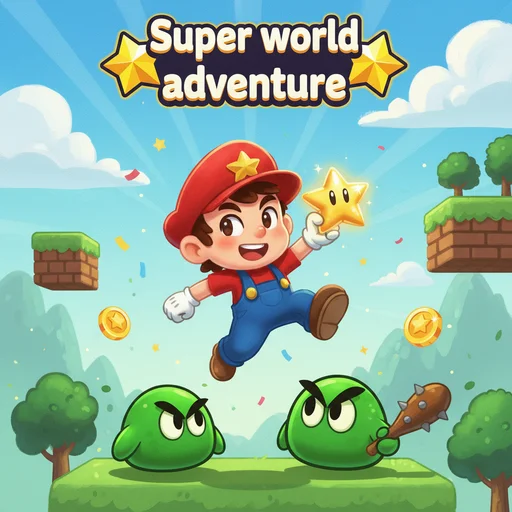
Music and aesthetics deeply affect platformer experiences. Upbeat soundtracks match the energetic gameplay. Visual themes range from bright, cheerful worlds to darker, moodier atmospheres. Art styles span pixel art, vector graphics, hand-drawn animation, and modern 3D rendering. These presentation choices create distinct identities that make each platformer memorable.
From beginner-friendly casual platformers to brutally difficult challenge games, from nostalgic retro throwbacks to innovative modern designs, the platformer category offers something for every player who enjoys the pure, refined pleasure of running and jumping through cleverly crafted levels.
First published:
Latest game added:
Platformers focus on running, jumping between platforms, and navigating environments through precise movement and timing.
Difficulty varies widely—some are accessible for all ages while others offer extreme challenges for skilled players seeking mastery.
Many browser platformers support gamepad input, which some players prefer for analog control and familiar button layouts.
Yes, many platformers include narratives, characters, and plot progression across levels, not just pure gameplay challenges.
2D platformers use side-scrolling views focusing on precise jumping, while 3D platformers offer exploration in three-dimensional spaces with camera control.