Search

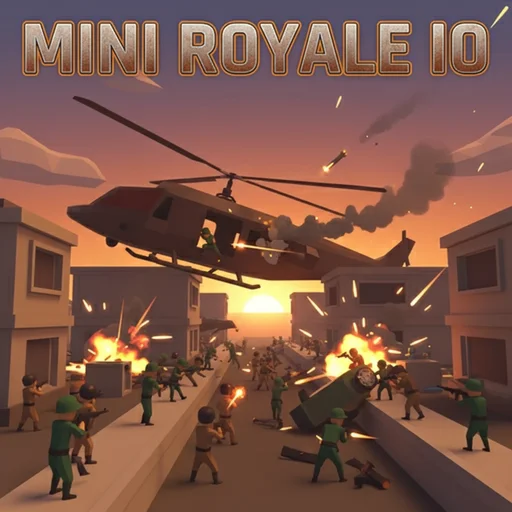
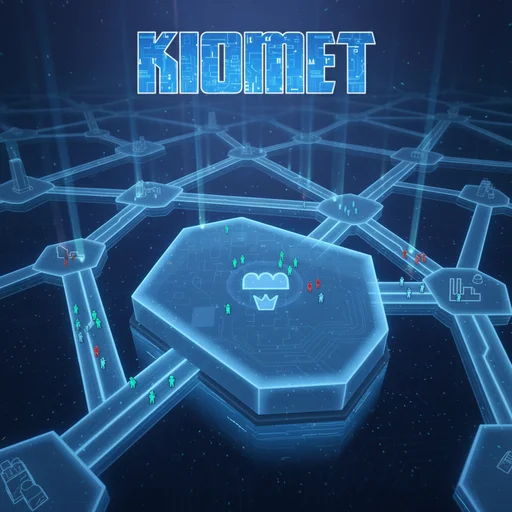
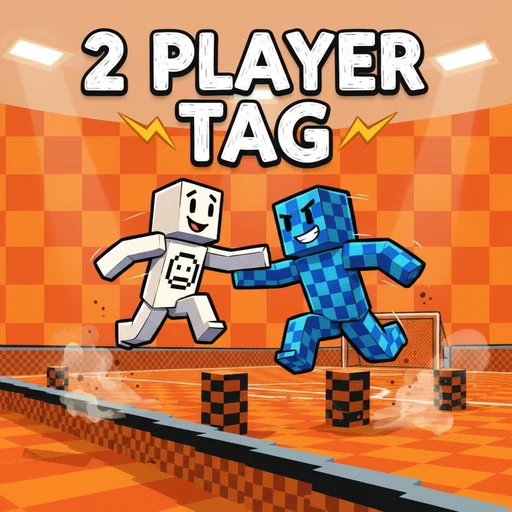
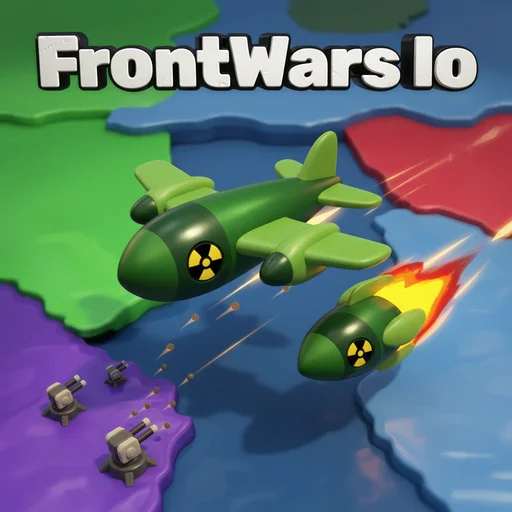
Multiplayer games connect players across the world for shared experiences that solo play cannot replicate. Whether you're cooperating with teammates to achieve common goals, competing against rivals in intense matches, or simply socializing in virtual spaces, multiplayer games transform gaming from a solitary activity into a social one. This category includes titles specifically designed around player interaction, where the human element creates unpredictable, dynamic gameplay that AI opponents cannot match.
Player versus player (PvP) games pit you directly against other people in competitive matches. These can be one-on-one duels, team-based battles, massive free-for-alls, or tournament structures with elimination rounds. The thrill of PvP comes from human unpredictability—real opponents adapt, learn, and strategize in ways that challenge you differently every match. Victory feels more rewarding when you know you've outsmarted another person, and defeats provide clearer lessons about what to improve.
Cooperative (co-op) multiplayer games ask players to work together toward shared objectives. You might team up to defeat difficult bosses, solve complex puzzles that require coordination, or survive waves of enemies that would overwhelm solo players. Co-op gameplay rewards communication, specialization, and teamwork. The bonds formed while overcoming challenges together create memorable gaming moments and lasting friendships.
Party games design multiplayer around fun, accessible mini-games perfect for groups. These titles typically feature simple controls, quick rounds, and lighthearted competition where luck and chaos balance skill, letting everyone have fun regardless of gaming experience. Party games shine in social settings, whether with friends in the same room or connecting online for casual fun.
Massively multiplayer games take scale to another level, with dozens, hundreds, or even thousands of players inhabiting shared worlds simultaneously. These games often include diverse activities—some players focus on combat while others trade, craft, explore, or socialize. The sense of being part of a living, persistent world where actions affect and are affected by other players creates unique depth and immersion.
Real-time versus turn-based multiplayer creates different gameplay rhythms. Real-time games require quick reactions and split-second decisions as events unfold continuously. Turn-based games allow time to think, strategize, and make calculated moves without pressure, often supporting asynchronous play where you can take your turn whenever convenient. Both styles have dedicated audiences with different appeals.
Matchmaking systems help connect players of similar skill levels for balanced, fair matches. Ranking systems track your performance and match you against appropriately challenging opponents. This infrastructure is crucial for maintaining enjoyable multiplayer experiences where matches feel competitive but winnable, rather than frustratingly one-sided.
Communication tools enhance multiplayer coordination and social interaction. In-game chat, voice communication, quick-command systems, and emotes let players coordinate strategies, celebrate victories, or simply socialize. While text chat is most common in browser games, some support voice chat or integrate with external communication platforms like Discord.
Progression systems in multiplayer games provide long-term motivation beyond individual matches. You might level up accounts, unlock new characters or abilities, earn cosmetic rewards, or climb competitive ladders. These systems give players goals that span multiple play sessions and create satisfying arcs of improvement and achievement.
Community aspects make multiplayer games social hubs. Clans, guilds, and friend systems let you build relationships with regular gaming partners. Forums, subreddits, and Discord servers form around popular games, creating spaces for strategy discussion, fan content, and social connection beyond the game itself.
Sportsmanship and toxicity are realities of multiplayer gaming. While many players are friendly and respectful, competitive environments can sometimes bring out poor behavior. Most games include reporting tools and moderation to maintain positive communities. Learning to handle wins and losses gracefully, communicate constructively, and mute or report toxic players when necessary are important multiplayer skills.
Browser-based multiplayer gaming has evolved significantly. Modern web technologies enable smooth, real-time gameplay directly in browsers without downloads or complicated setups. IO games pioneered accessible browser multiplayer, and the category has expanded to include increasingly complex and polished experiences.
Whether you prefer the intensity of competitive PvP, the camaraderie of co-op challenges, or the social fun of party games, multiplayer experiences offer dynamic gameplay and human connections that make gaming more engaging and memorable.
First published:
Latest game added:
Most browser multiplayer games run directly without downloads, though some may require account registration for matchmaking and progress saving.
Many multiplayer games let you create private rooms, send invite links, or add friends to play together specifically.
A stable connection is important for smooth multiplayer, with real-time competitive games needing lower latency than turn-based or casual multiplayer.
Many are family-friendly, but online interaction with strangers requires supervision and education about online safety, privacy, and respectful communication.
Some multiplayer games include single-player modes or AI opponents, but the core experience is usually designed around player interaction.