
Search
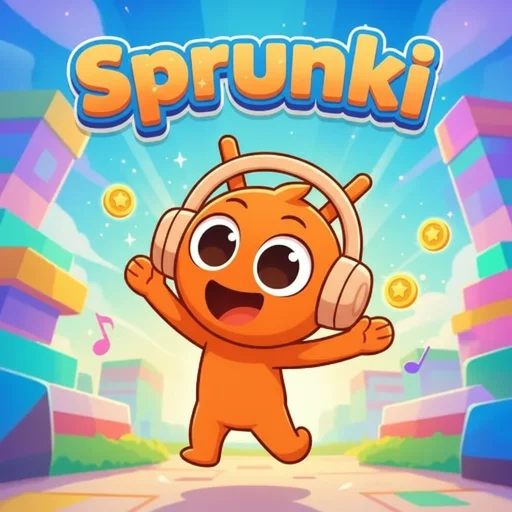
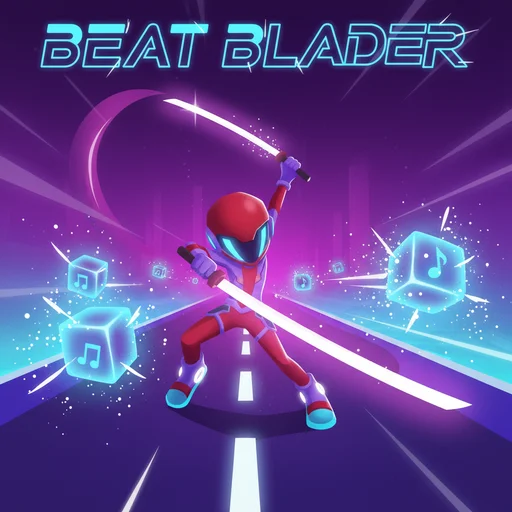
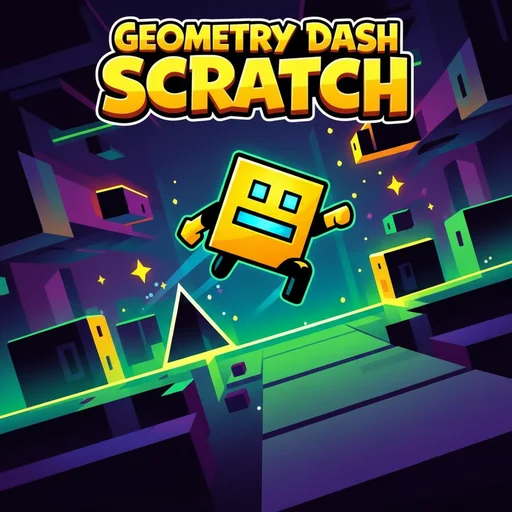
Music games combine auditory experiences with interactive gameplay, challenging players to respond to rhythm, melody, and beat through well-timed actions. This category celebrates musicality and rhythm sense, offering experiences ranging from simple note-matching to complex performances that make you feel like a real musician. Whether you have musical training or simply enjoy listening to music, rhythm games provide unique enjoyment that engages both ears and reflexes.
Rhythm-based gameplay is the core of most music games. Notes, beats, or commands appear synchronized with music, and you must press corresponding keys or buttons at the right moment. Accuracy is judged by timing—hitting notes precisely earns perfect scores, while early or late presses reduce your score or break combos. This mechanic creates a flow state where successful players feel synchronized with the music, translating audio into physical action in satisfying ways.
Music games span various formats and styles. Falling-note games present notes that scroll down the screen toward a target line where you must hit them. This classic format appears in many piano and guitar simulations. Dancing games show directional arrows or patterns you must match in rhythm, often simulating dance moves. DJ and mixing games let you combine tracks, scratch records, and create beats. Singing games might use microphone input to judge pitch accuracy. Each format emphasizes different musical elements while maintaining rhythm at its core.
The musical diversity in this category is broad. Some games feature popular songs from various genres, letting you interact with music you already love. Others include original compositions created specifically for gameplay. Genres range from pop and rock to electronic, classical, and everything in between. Many games let you choose difficulty levels or different songs to match your preferences and skill level.
Practice and skill progression are naturally built into music games. Early songs and difficulty levels introduce basic rhythm patterns with generous timing windows. As you improve, you unlock harder songs with faster notes, more complex patterns, and stricter timing requirements. This natural learning curve helps players develop rhythm sense and hand-eye coordination gradually.
Visual feedback enhances the musical experience. Notes might glow or explode when hit correctly. Combo counters track your streak of perfect hits. Background visualizers pulse and react to the music, creating audiovisual synergy. Characters might perform animations synced to your performance, making you feel like you're directing a show. These visual elements reinforce the connection between your actions and the music.
Educational benefits appear in music games, especially for rhythm and timing. Playing rhythm games can improve your sense of beat, tempo, and timing—skills that transfer to real musical performance. Some piano or instrument-based games teach actual note reading and finger placement, serving as supplemental learning tools for music students. While they don't replace real lessons, they make practice more game-like and engaging.
Multiplayer and competitive features add social dimensions. You might battle other players in rhythm challenges, comparing scores to see who hits more notes accurately. Cooperative modes sometimes let players handle different parts of a song together, like separate instruments in a band. Leaderboards show high scores and perfect-accuracy runs, motivating competitive players to master songs and claim top rankings.
Accessibility considerations are important in music games. Players with hearing impairments might struggle with games that rely solely on audio cues, though many games include strong visual indicators that help. Customizable note speeds and timing windows let players adapt difficulty to their reaction times and skill levels. Color-blind modes ensure note colors remain distinguishable.
The emotional connection to music makes music games uniquely engaging. Performing well on a song you love creates special satisfaction. The combination of challenge, rhythm, and familiar melodies can be exhilarating, relaxing, or energizing depending on the music and your performance.
Music games also serve as music discovery tools. Players often find new favorite songs or artists through game soundtracks. The interactive nature makes you listen more actively than passive streaming, noticing details and appreciating compositions in new ways.
Whether you're tapping along to simple beats, nailing complex piano pieces, or feeling like a DJ mixing tracks, music games turn listening into playing and rhythm into gameplay.
First published:
Latest game added:
Not at all—most music games are designed for everyone, with easy modes that teach rhythm basics and harder levels for experienced players.
They can improve rhythm, timing, and note recognition, which are helpful for music learning, but they don't replace actual instrument practice.
Headphones or speakers improve the experience significantly, as hearing the music clearly is essential for timing and enjoyment.
Yes, many rhythm games include competitive or cooperative modes where you can challenge friends or compare high scores.
Many music games feature licensed popular tracks, while others use original compositions or cover versions depending on licensing.