Search
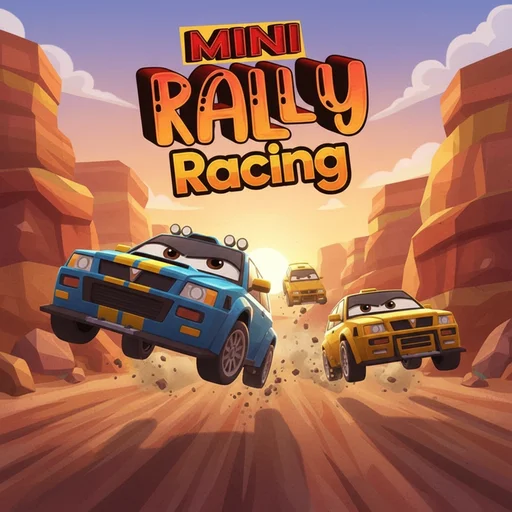
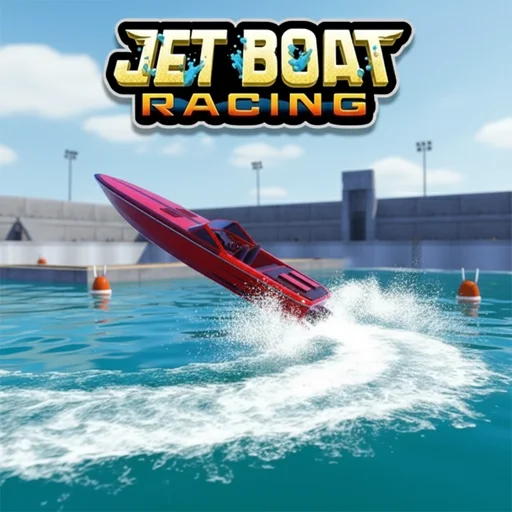
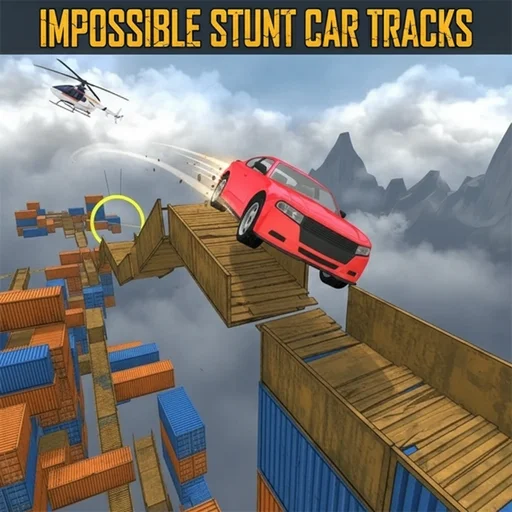
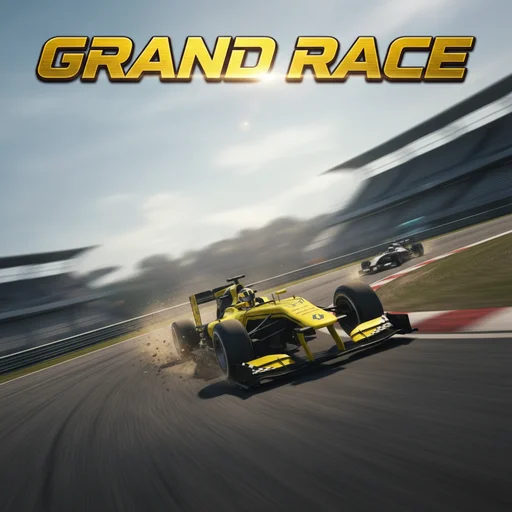

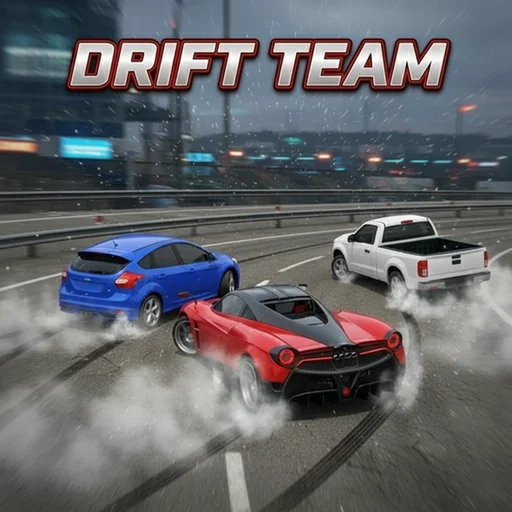
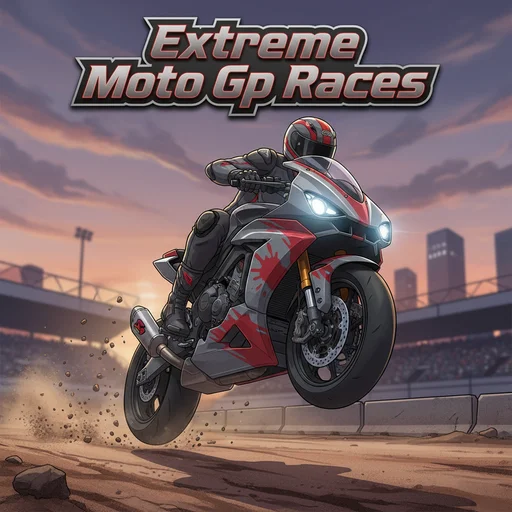
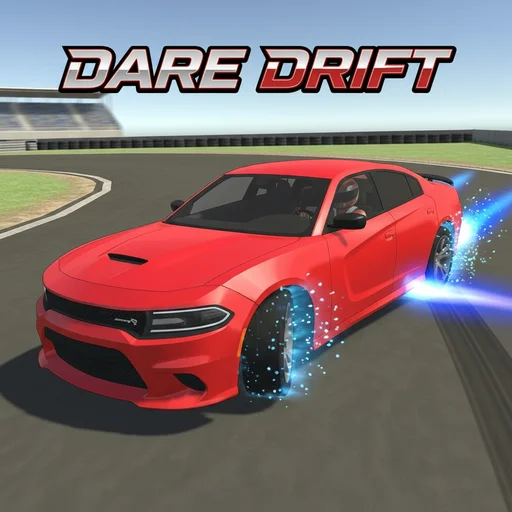
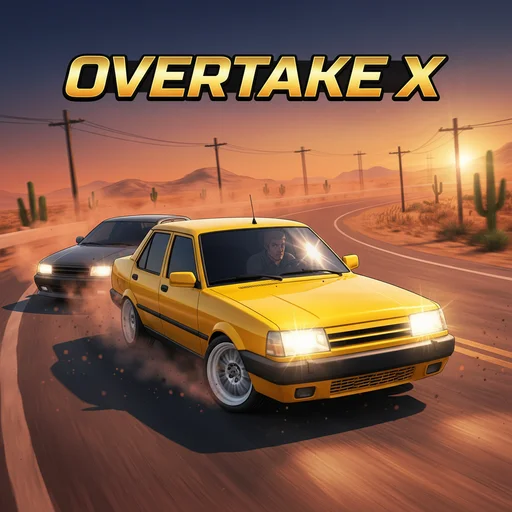
Racing games deliver pure speed and competition. This category focuses on vehicles moving as fast as possible toward finish lines, whether on asphalt tracks, dirt roads, or fantastical courses. From realistic simulators that model actual racing physics to arcade racers with wild power-ups and impossible tracks, racing games satisfy the universal thrill of going fast and crossing the line first.
Circuit racing is the most traditional format. You compete on closed tracks with multiple laps, fighting to maintain or improve position against opponents. Learning track layouts, finding optimal racing lines through corners, and managing overtaking opportunities become key skills. Circuit races reward consistency and technical skill over multiple laps.
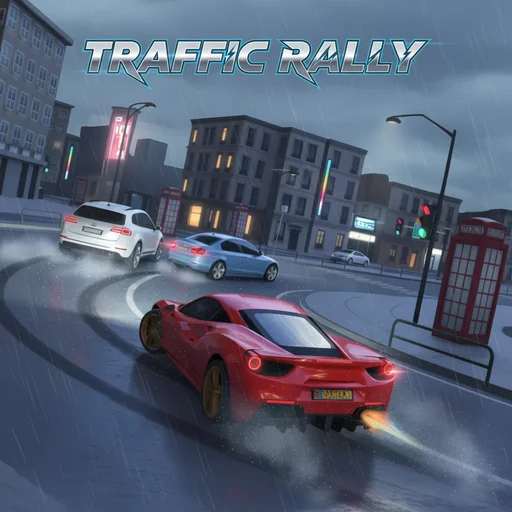
Street racing takes competition to urban environments. You might race through city streets with traffic to dodge, shortcuts to discover, and police to evade. Street racing often embraces an outlaw aesthetic with illegal night races and customized vehicles. The urban setting creates dynamic environments quite different from sterile racetracks.
Off-road racing introduces challenging terrain. Dirt, mud, rocks, and steep inclines test vehicle handling and driver control. Rally-style events might feature point-to-point stages timed individually rather than direct competition. Off-road racing rewards different skills than track racing, with vehicle choice and terrain reading becoming critical.
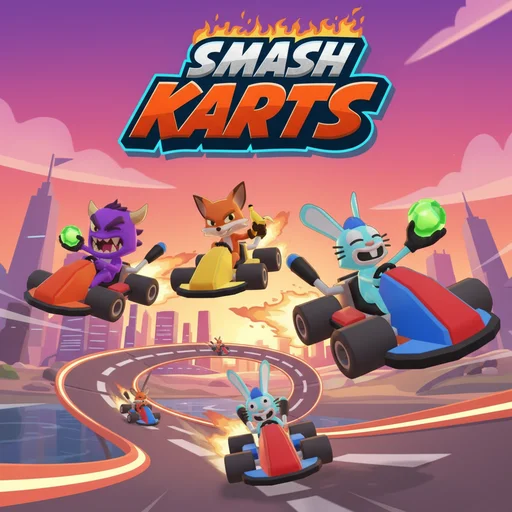
Kart racing offers accessible, fun-focused competition. Typically featuring smaller vehicles and cartoonish aesthetics, kart racers emphasize power-ups, items, and chaotic fun over realistic simulation. Turtle shells, speed boosts, and banana peels level playing fields, letting skilled players still win while giving everyone chances at victory through item luck.
Drag racing strips competition to its purest form: short straight-line sprints where perfect timing of gear shifts and nitrous boosts determines winners. Reaction time at the start and split-second decisions during runs create intense, brief competitions perfect for quick gaming sessions.
Time trial modes remove opponents, challenging you to complete courses as fast as possible. Without competitors to distract or block you, time trials become pure tests of driving skill and track knowledge. Beating your personal bests or ghost recordings of top times provides clear progression goals.
Arcade versus simulation is the key philosophical divide in racing. Arcade racers prioritize accessibility and fun with forgiving controls, exaggerated speeds, and dramatic shortcuts. Cars drift easily, crashes have minimal consequences, and the focus is exciting moment-to-moment action. Simulation racers model real physics, requiring brake management, proper racing lines, and understanding of vehicle dynamics. Both have dedicated audiences, and preference often depends on whether you want fun action or realistic challenge.
Vehicle variety adds depth and choice. Some games focus on specific vehicle types—supercars, motorcycles, monster trucks—while others mix various categories. Each vehicle type handles differently, creating reasons to replay races with different rides. Unlocking new vehicles provides tangible progression rewards.
Customization and upgrades let you modify vehicles. Performance upgrades improve speed, acceleration, handling, and braking, letting you optimize cars for specific tracks or racing styles. Visual customization with paint, decals, and body modifications personalizes your ride and helps you stand out.
Multiplayer racing intensifies competition. Racing against AI is fun, but human opponents provide unpredictable challenges. Real players take creative lines, make mistakes, and react dynamically in ways AI cannot replicate. Online leaderboards and ranked systems let you measure skills against the global racing community.
Track design heavily influences racing quality. Great tracks balance high-speed sections with technical corners, provide multiple viable racing lines, and include dramatic moments like jumps or tight chicanes. Environmental themes from snowy mountains to tropical beaches to futuristic cities keep visual experiences fresh.
Physics and handling models determine how vehicles feel. Weight transfer affects grip, braking distance increases with speed, and momentum carries through corners. Understanding these dynamics separates good racers from great ones. Even arcade games with simplified physics maintain internal consistency that rewards learning vehicle behavior.
Damage systems add consequences to crashes. Realistic damage affects vehicle performance, forcing more careful driving. Cosmetic damage shows crash evidence without affecting function. Some games eliminate damage entirely to keep action flowing without frustration.
The visceral thrill of speed, the satisfaction of a perfectly executed overtake, the tension of defending position from aggressive opponents—these experiences make racing games enduringly popular across generations of players.
First published:
Latest game added:
Common types include circuit racing, street racing, off-road/rally, kart racing, drag racing, and time trials across various vehicles.
Many racing games offer performance upgrades and visual customization options like paint, decals, and body modifications.
Yes, some browser racing games focus on simulation with realistic physics, damage models, and accurate vehicle behavior.
Many racing games include multiplayer modes with online races, leaderboards, and sometimes local split-screen options.
Some advanced browser games support steering wheel controllers, though compatibility varies by game and browser setup.