
Search

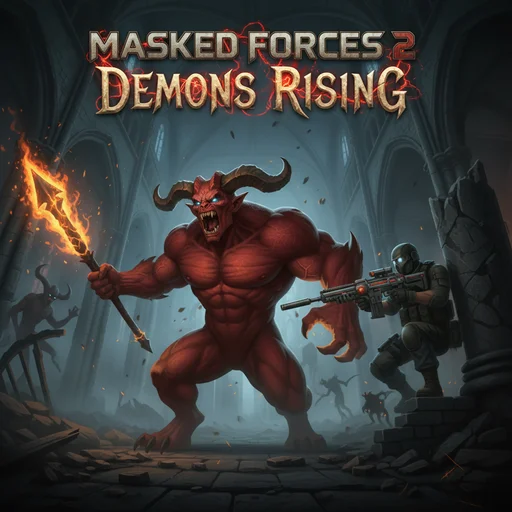
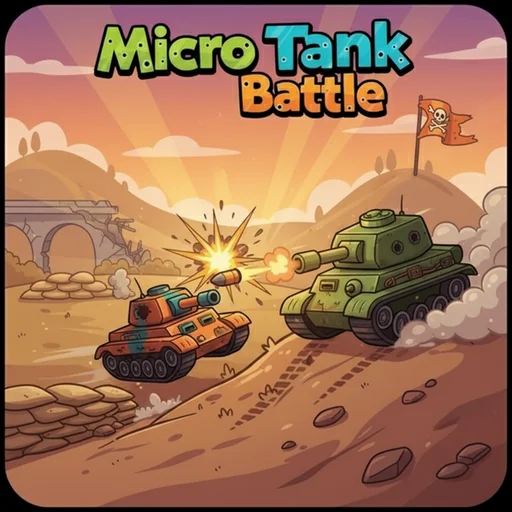

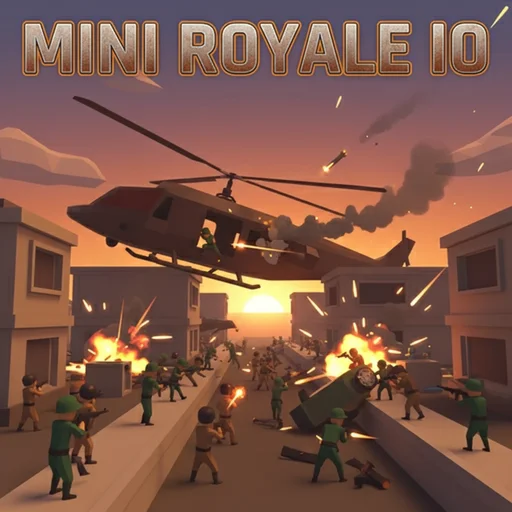
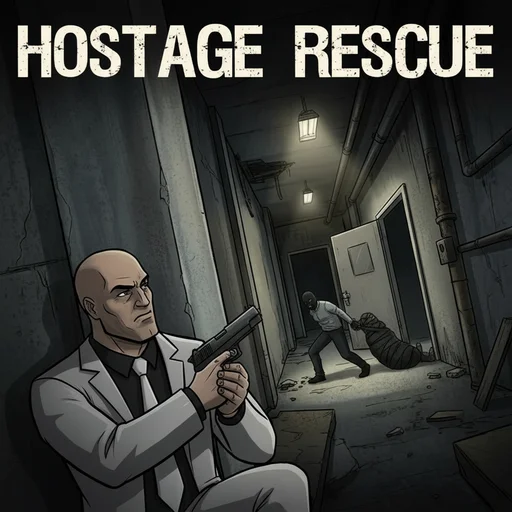
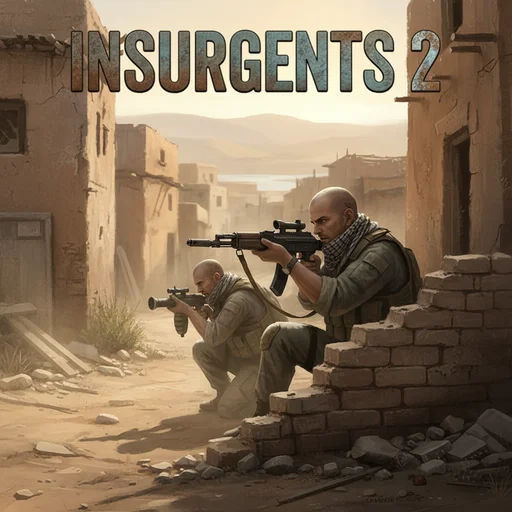

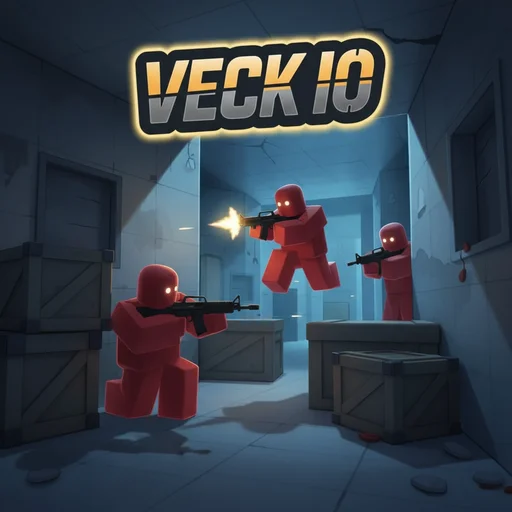



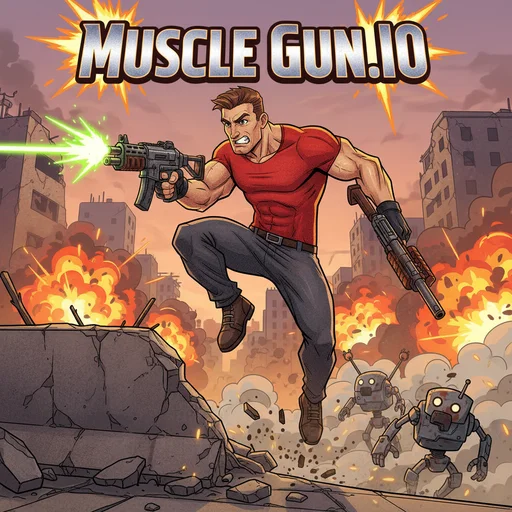

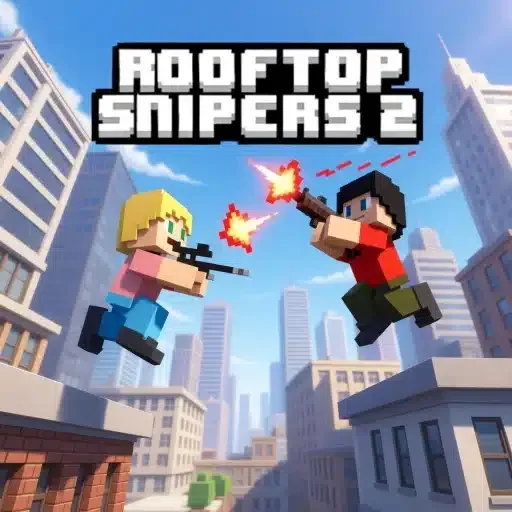
Shooter games put weapons in your hands and enemies in your sights. This action-packed category focuses on aiming, firing, and eliminating targets through skill, strategy, and quick reflexes. From first-person perspectives that immerse you in combat to top-down views that emphasize tactics, shooter games deliver intense experiences where precision and situational awareness determine survival and victory.
First-person shooters (FPS) provide immersive combat experiences. You see through your character's eyes, aiming weapons directly at enemies as they appear. This perspective creates intensity and requires spatial awareness as threats can emerge from any direction. FPS games emphasize accurate aiming, quick target acquisition, and managing resources like ammunition and health under pressure.
Third-person shooters pull the camera back, showing your character from behind or over the shoulder. This perspective provides better situational awareness of surroundings and your character's position relative to cover and enemies. Third-person shooters often emphasize cover mechanics where you hide behind objects and peek out to fire, adding tactical depth to gunfights.
Top-down and isometric shooters provide bird's-eye views of battlefields. These perspectives work well for tactical gameplay where positioning, movement patterns, and managing multiple threats simultaneously matter more than twitch aiming. Many classic arcade shooters use this view, creating intense bullet-hell scenarios where you weave between projectiles.
Arena shooters focus on fast-paced multiplayer combat in contained maps. Players spawn with weapons, battle for control of power weapon pickups, and respawn quickly after death. Arena shooters reward movement mastery, map knowledge, and aggressive playstyles. The constant action and quick match pacing create intense, competitive experiences.
Tactical shooters emphasize strategy, teamwork, and careful play over pure action. You might have limited health with no regeneration, require coordinated team movements, and face permanent death for the round. These slower, more deliberate shooters reward patience, communication, and smart decision-making over reflexes alone.
Wave survival modes challenge you to fight increasingly difficult enemy waves. You might defend positions, kite enemies while managing ammunition, and survive as long as possible. Progression systems often let you upgrade weapons and abilities between waves, creating satisfying power progression.
Sniper games focus on long-range precision shooting. You scope distant targets, account for wind and distance, and eliminate enemies with single, perfectly placed shots. Sniper games test patience and accuracy rather than frantic action, creating tense moments as you line up critical shots.
Zombie shooters pit you against endless undead hordes. These games often emphasize survival, resource management, and mounting tension as ammunition dwindles while zombies multiply. The mindless enemy AI allows focus on pure shooting mechanics and holding out as long as possible.
Weapon variety adds depth and choice. You might choose between assault rifles, shotguns, sniper rifles, pistols, explosives, and exotic weapons, each handling differently with distinct advantages and situations. Experimenting with weapons and finding favorites that match your playstyle enhances engagement.
Aiming mechanics determine shooter feel. Mouse aiming on PC provides precise control perfect for competitive play. Controller support with aim assist helps gamepad users compete. The responsiveness, crosshair behavior, and weapon recoil patterns deeply affect how shooting feels and how high the skill ceiling reaches.
Multiplayer shooters create dynamic human competition. Team deathmatch, capture the flag, objective-based modes, and battle royale formats offer varied competitive experiences. The unpredictability of human opponents creates endless variety that AI cannot match.
Progression systems reward continued play. Unlocking weapons, attachments, character skins, and abilities provides tangible goals beyond match victories. Leveling up and customizing loadouts lets you optimize for your preferred playstyle.
Graphics and effects enhance immersion. Muzzle flashes, impact effects, explosions, and ragdoll physics make every shot feel impactful. Sound design with distinct weapon reports, bullet whizzes, and directional audio helps track enemies and react to threats.
While inherently action-focused and often violent, shooter games also require strategic thinking, teamwork, and problem-solving alongside pure aiming skill, creating layered experiences that reward both reflexes and intelligence.
First published:
Latest game added:
FPS shows your character's perspective directly while third-person pulls the camera back, showing your character from behind with better environmental awareness.
While aim helps, many shooters include aim assist, easier modes, or tactical elements where positioning and strategy matter as much as pure accuracy.
Violence levels vary widely—some are cartoonish and mild while others are realistic and intense, so checking age ratings and content is important.
Many browser shooters support gamepad controllers with aim assist, though mouse and keyboard often provides more precise aiming.
Modern web technologies enable impressive 3D graphics in browser shooters, though very detailed games may require decent hardware.