Search


Strategy games reward planning, tactical thinking, and smart decision-making over quick reflexes and physical skills. This intellectually demanding category challenges you to outthink opponents, manage resources efficiently, and execute long-term plans while adapting to changing situations. From commanding armies to building economies to defending against waves of enemies, strategy games provide deep, satisfying experiences where your mind is your greatest weapon.
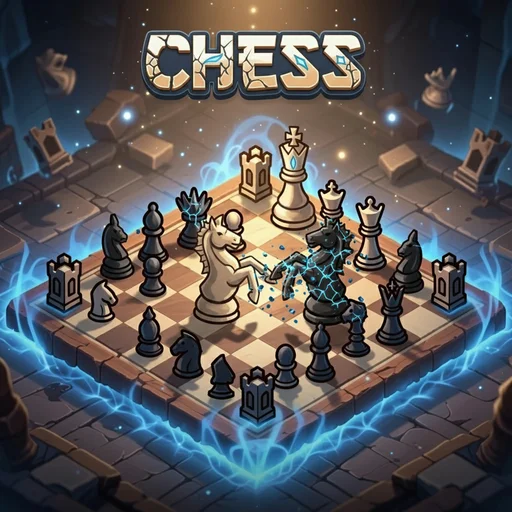
Turn-based strategy games let you think carefully about each move without time pressure. You might move units across grids, plan attacks and defenses, and make decisions without opponents rushing you. The chess-like pacing rewards careful analysis, considering multiple scenarios, and executing well-thought plans. Turn-based games are perfect for players who prefer thoughtful gameplay over real-time pressure.
Real-time strategy (RTS) games unfold continuously without pauses. You must gather resources, build structures, train units, and command armies all while opponents do the same simultaneously. Success requires multitasking, quick decision-making under pressure, and balancing immediate needs against long-term strategies. RTS games provide intense, dynamic experiences where adaptation and speed complement strategic planning.
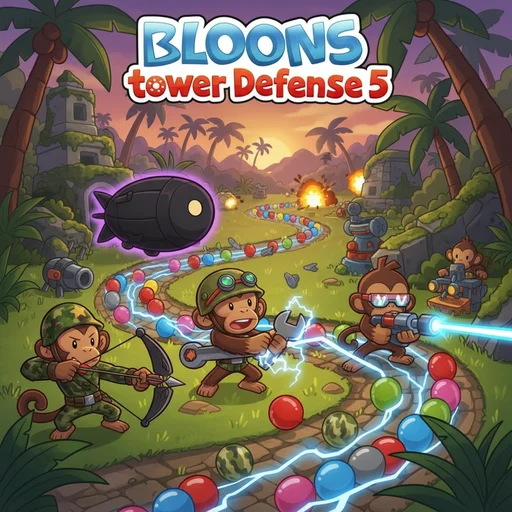
Tower defense games challenge you to stop enemy waves from reaching goals by building defensive structures. You must choose tower types, position them strategically, and upgrade efficiently with limited resources. Each wave increases difficulty, forcing you to optimize defenses and adapt strategies. The puzzle-like elements combined with resource management create addictive gameplay.
4X strategy games (explore, expand, exploit, exterminate) provide grand-scale experiences. You might start with single settlements and expand into empires through exploration, resource development, diplomacy, and warfare. These epic games reward long-term planning and managing multiple interconnected systems simultaneously.
Tactical games focus on combat scenarios with detailed battle systems. You position units to exploit terrain advantages, use formations and facing, and execute coordinated attacks. Success depends on understanding unit capabilities, countering enemy strengths, and controlling battlefields through superior positioning and tactics.
Economic and trade strategy games emphasize resource management and market manipulation. You might build supply chains, trade goods, respond to price fluctuations, and optimize production. These games appeal to players who enjoy systems thinking and economic planning.
Political strategy games model diplomacy, alliances, and influence. You might negotiate treaties, manage faction relationships, and achieve goals through persuasion rather than force. These games reward social intelligence and understanding complex political systems.
Puzzle strategy hybrids combine strategic thinking with puzzle mechanics. You might need to solve positioning puzzles, optimize limited moves, or find perfect solutions to challenges. These games provide strategy satisfaction without the time investment of full strategy titles.
Resource management is fundamental across strategy genres. You gather or generate resources, decide how to spend them, and balance competing needs with limited supplies. Good resource management separates skilled strategists from beginners.
Fog of war and incomplete information create strategic depth. Not seeing opponent positions forces scouting, risk assessment, and preparing for unknowns. This uncertainty makes strategies more complex and victories more satisfying.
Multiple viable strategies keep games replayable. Rather than single optimal approaches, good strategy games support various playstyles—aggressive rushing, defensive turtling, economic focus, or balanced approaches. This variety encourages experimentation and adaptation.
AI opponents vary in quality and difficulty. Easy AI lets beginners learn mechanics without pressure. Hard AI challenges veterans with intelligent play and efficient strategies. Adjustable difficulty ensures appropriate challenge levels for all skill ranges.
Multiplayer strategy creates dynamic competition. Human opponents provide unpredictability, creativity, and adaptation that AI cannot match. Ranked ladders, tournaments, and team games build competitive communities around strategy titles.
Learning curves can be steep in complex strategy games. Multiple systems, unit types, and strategic considerations create initial overwhelming feelings. However, good tutorials, progressive difficulty, and learning through play help players develop mastery gradually.
Time investment varies dramatically. Some strategy games play in minutes, while others require hours for single matches. Campaign modes might take dozens of hours to complete. This range ensures options for both quick strategic fixes and deep, immersive experiences.
The intellectual satisfaction of executing winning strategies, outsmarting opponents, and seeing careful plans succeed makes strategy games uniquely rewarding for players who enjoy using their minds.
First published:
Latest game added:
Turn-based games let you think carefully about each move without time pressure, while real-time strategy unfolds continuously, requiring quick decisions and multitasking.
Complexity varies—some are immediately accessible while others have steep learning curves, but most include tutorials and difficulty options for all skill levels.
Turn-based and many tower defense games require planning over speed, though real-time strategy games benefit from quick decision-making and multitasking.
Yes, many strategy titles include easy modes, tutorials, and progressive difficulty that welcome newcomers while offering depth for experienced players.
Length varies greatly—some play in minutes while others require hours, with options ranging from quick puzzle-strategy to epic campaign experiences.