
Search
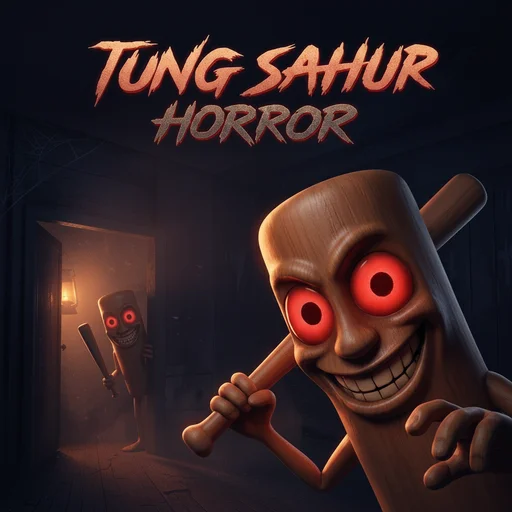
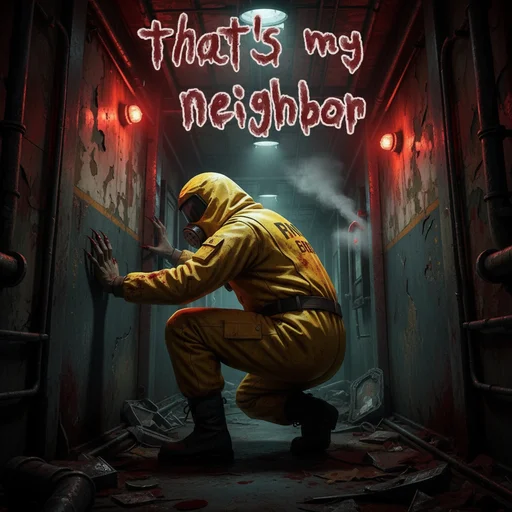
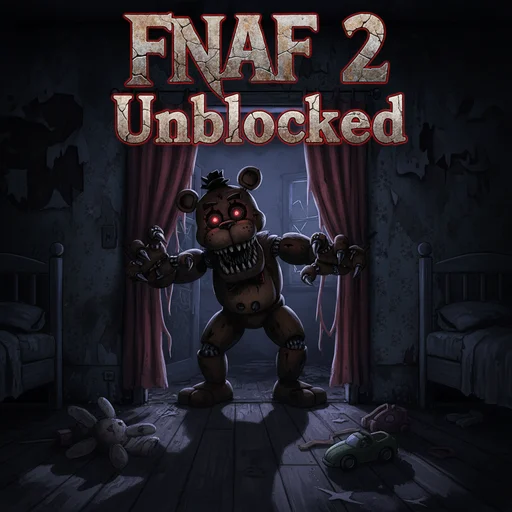
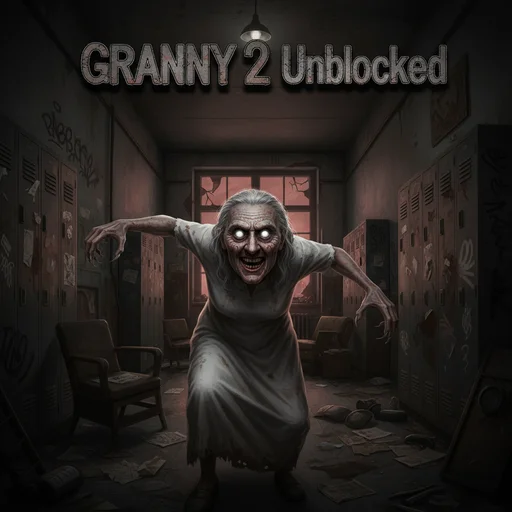
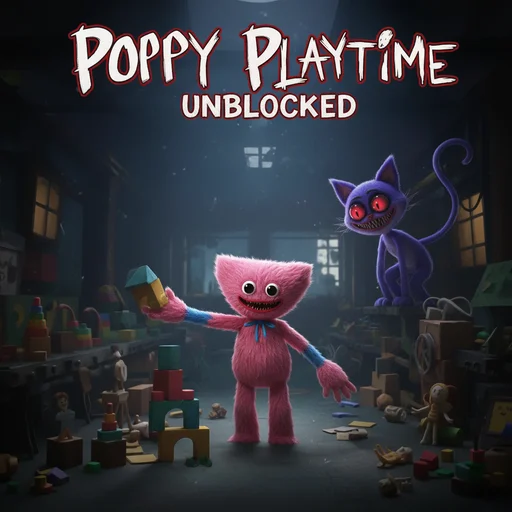
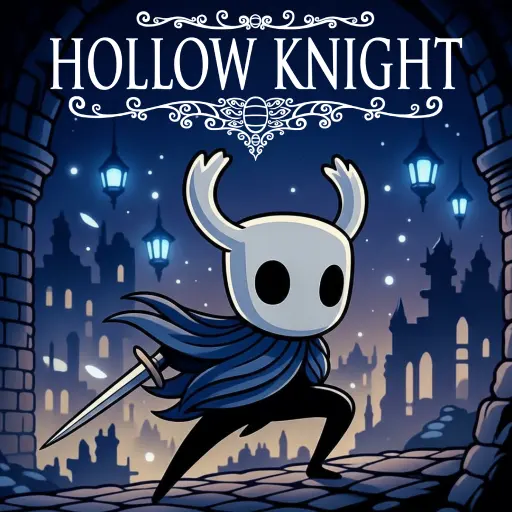
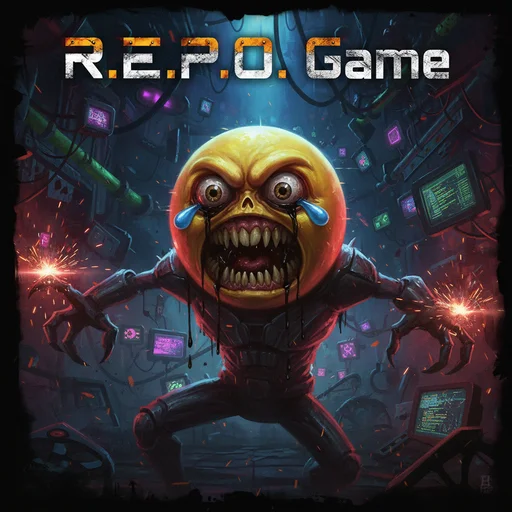
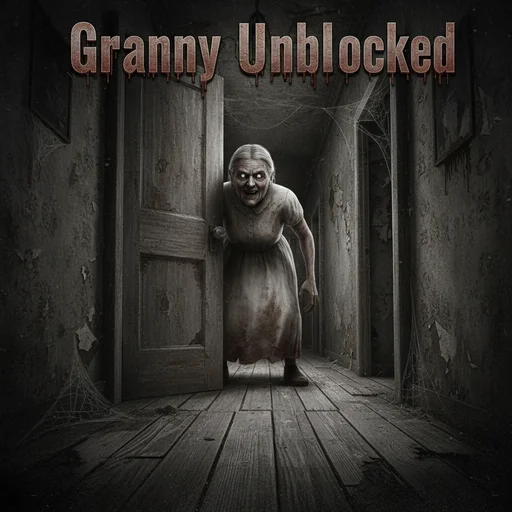
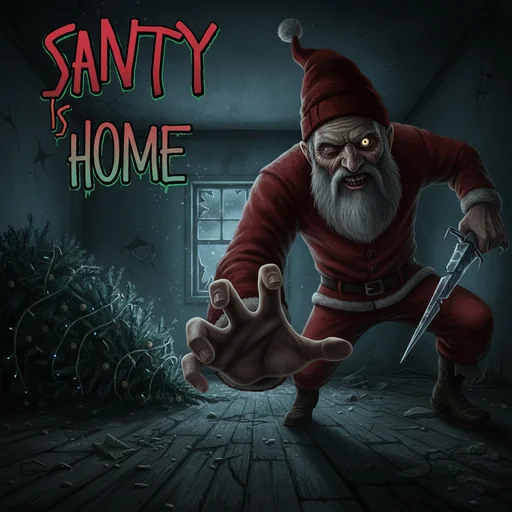
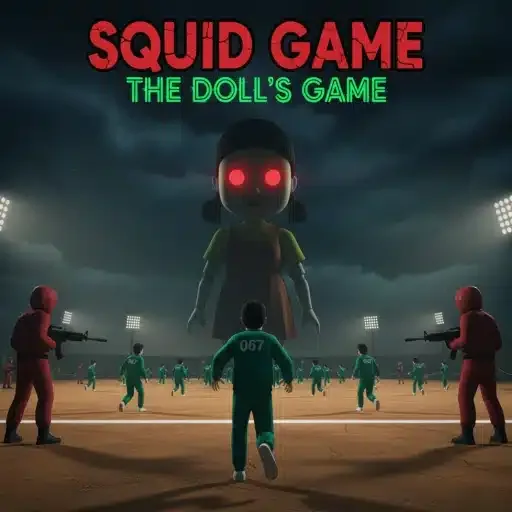
Horror games deliver thrills, chills, and heart-pounding tension through atmospheric storytelling, jump scares, and psychological terror. This category is for players who enjoy being scared, testing their nerves, and experiencing the adrenaline rush that comes from surviving frightening scenarios. From haunted house explorations to survival games with lurking monsters, horror titles create immersive experiences that linger in your memory long after you stop playing.
The foundation of good horror games is atmosphere. Developers use dim lighting, ominous sound design, and unsettling environments to create constant unease. You might explore abandoned buildings where every creaking floorboard makes you jump, or navigate dark forests where something seems to watch from the shadows. Suspense is maintained through pacing—long quiet moments where tension builds, followed by sudden scares or encounters that release that built-up stress in explosive ways.
Jump scares are a common and effective horror tool. These moments use sudden loud sounds, quick movements, or unexpected appearances to startle players. While some consider jump scares cheap thrills, well-executed ones that fit naturally into gameplay can be genuinely terrifying. The anticipation of potential jump scares keeps players alert and nervous even during calm moments.
Psychological horror games go deeper than simple scares. These titles create dread through disturbing imagery, twisted narratives, and themes that unsettle on a conceptual level rather than just startling you. You might question what's real, face moral dilemmas, or confront dark themes that provoke thought alongside fear. Psychological horror tends to leave lasting impressions and often includes mature themes appropriate only for older players.
Survival horror combines scares with resource management and strategic gameplay. You might have limited health, ammunition, or light sources while facing dangerous enemies. Every decision matters—do you fight or hide? Use supplies now or save them for later? These strategic elements add tension beyond just fear, as poor decisions can lead to game over screens and the dread of having to replay scary sections.
Escape room and puzzle horror games trap you in dangerous locations where you must solve challenges to progress or escape. You might need to find keys, decode messages, or manipulate objects while avoiding threats. The combination of puzzle-solving and danger creates intense focus as you try to think clearly while fear clouds your judgment.
Monster and creature-based horror puts you against terrifying enemies. These could be zombies, ghosts, monsters, or more creative horrors unique to specific games. Some games let you fight back, while others make you helpless, forced to hide or run. The feeling of being hunted is primal and deeply unsettling, especially when enemies behave unpredictably or intelligently.
Point-and-click horror adventures often feature dark stories told through exploration and investigation. You click through scenes, examine objects, and uncover disturbing narratives piece by piece. These games emphasize story and atmosphere over action, creating slow-burn horror that builds gradually.
Sound design is critical in horror games. Eerie background music, ambient noises, distant screams, and sudden silence all manipulate your emotional state. Many horror games recommend playing with headphones for full immersion, as directional audio helps you track threats and increases the feeling of being surrounded by danger.
Visual styles in horror games range from realistic graphics that strive for photorealism to stylized or retro aesthetics. Pixel art horror can be surprisingly effective, proving that imagination and atmosphere matter more than graphical fidelity. Some games use visual distortion, film grain, or color manipulation to create unsettling visuals that feel wrong or nightmarish.
Story is often central to horror games. Many explore themes like isolation, madness, death, or the unknown. Characters might be investigators, victims, or ordinary people thrust into extraordinary terror. Good horror narratives make you care about outcomes, increasing emotional investment and making scares more impactful.
Horror games aren't for everyone. They're designed to provoke fear, stress, and discomfort—reactions some people enjoy in controlled environments and others prefer to avoid. Age ratings and content warnings help players make informed decisions about whether a particular horror game is appropriate for them.
For those who enjoy the thrill, horror games offer unique experiences found nowhere else in gaming. The adrenaline, the suspense, the satisfaction of surviving a terrifying encounter—these create memorable moments and stories you'll share with friends.
First published:
Latest game added:
Most horror games are designed for older players due to scary content, violence, and mature themes, so checking age ratings is important.
Many horror games use jump scares, though some focus more on atmospheric tension and psychological horror than sudden frights.
Some horror games include co-op modes where you can face fears together, though the experience is often scarier when playing alone.
Horror games are designed to scare and stress players, so those sensitive to disturbing content, gore, or intense situations should approach cautiously.
While not required, playing in a dark room with headphones typically increases immersion and makes the experience more frightening.