Search

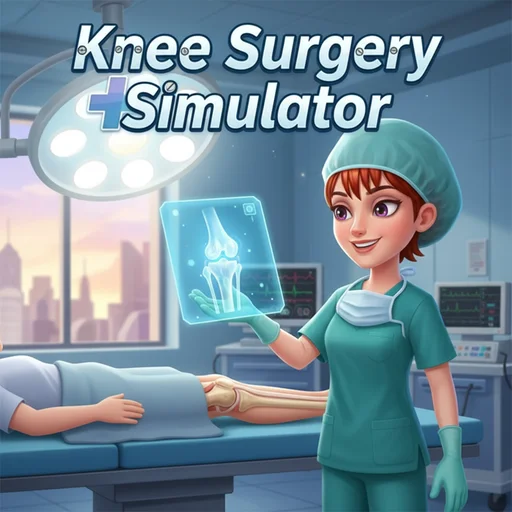
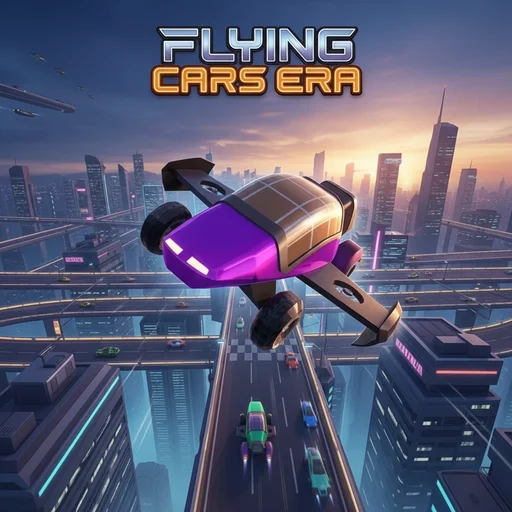



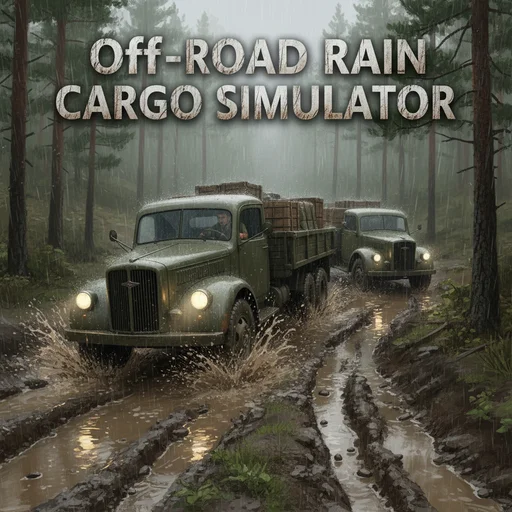
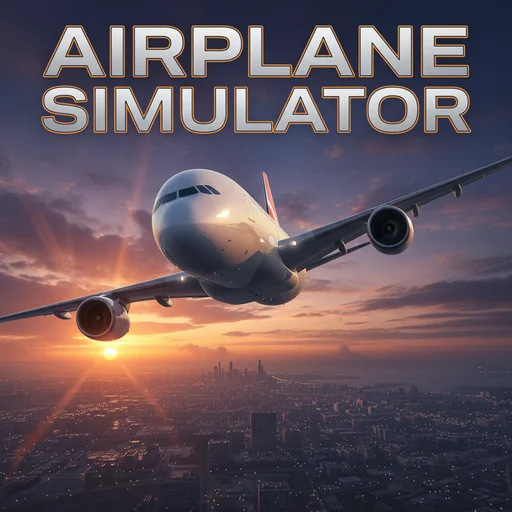
Simulation games recreate real or imagined systems, letting you experience scenarios from operating vehicles to managing cities to living entire virtual lives. These games model complex systems with varying degrees of realism, providing experiences that can be educational, relaxing, strategic, or simply fascinating. Whether you're curious about piloting planes, running businesses, or exploring "what if" scenarios, simulations offer unique windows into different experiences.
Management simulators put you in control of organizations or systems. City-building sims have you designing urban layouts, managing budgets, providing services, and keeping citizens happy. Business sims let you run companies, making strategic decisions about products, pricing, and expansion. Farm sims involve planting crops, raising animals, and managing agricultural operations. These management experiences teach systems thinking and resource allocation while providing satisfying long-term progression.
Vehicle simulators recreate driving, flying, or operating machines. Flight simulators model aircraft controls and aerodynamics with varying realism levels. Driving simulators emphasize realistic vehicle handling and traffic navigation. Train, boat, and even space flight simulators exist, each offering specialized experiences. These sims appeal to enthusiasts curious about operating complex machines.
Life simulators let you guide virtual people through daily activities, relationships, careers, and life events. You might design homes, choose jobs, build relationships, and make decisions that affect your characters' happiness and success. Life sims combine creativity, storytelling, and light strategy in accessible packages.
Social simulators focus on relationships and communities. You might build and maintain friendships, navigate romantic relationships, or manage group dynamics. These games model social systems, sometimes teaching interpersonal skills through interactive scenarios.
Economic simulators model markets, production, and trade. You might manage supply chains, respond to market fluctuations, or build trading empires. These games appeal to players interested in economics and strategic resource management.
Educational simulators serve learning purposes by modeling real-world systems. Science simulators might model ecosystems, chemical reactions, or physical phenomena. Historical simulators recreate past events or time periods. Medical simulators teach procedures and diagnosis. These serious games make learning interactive and engaging.
The appeal of realism varies across simulations. Some strive for accurate, complex models that behave like real systems—hardcore flight sims with realistic cockpits and flight dynamics. Others simplify deliberately for accessibility and fun—arcade-style driving or fantasy life sims with magic and absurdity. Both approaches have value depending on goals and preferences.
Complexity and learning curves differ significantly. Some simulations are immediately accessible with intuitive controls and simple mechanics. Others require studying manuals, learning complex systems, and investing time before competence develops. This range ensures simulations exist for every dedication level.
Sandbox versus goal-oriented structures affect gameplay. Sandbox sims provide tools and systems without prescribed objectives, letting you experiment and create freely. Goal-oriented sims present specific challenges, missions, or victory conditions. Many games blend both, offering free play alongside structured challenges.
Progression systems provide long-term motivation. You might unlock new tools, vehicles, or areas through play. Economic progression sees you growing from small operations to massive empires. Skill progression rewards experience with new capabilities. These systems create satisfying arcs of growth and mastery.
Time scales vary dramatically. Some sims play in real-time, others accelerate time so years pass in minutes. Many include time controls letting you pause, accelerate, or slow events as needed. This flexibility lets you experience long-term changes without excessive real-time investment.
Failure and consequences distinguish sims from casual games. Poor decisions might lead to bankruptcy, crashed vehicles, or unhappy citizens. These consequences teach through experience, making success more meaningful. However, most sims let you reload saves or restart, removing permanent penalties while maintaining learning opportunities.
The meditative quality of many simulations provides relaxation. Managing farms, driving trains through countryside, or watching cities grow can be deeply calming. The focus required creates present-moment awareness similar to meditation, making sims excellent stress relief tools.
From exploring careers you'll never have to experimenting with complex systems safely to simply enjoying detailed recreations of fascinating activities, simulation games offer depth, variety, and unique value that pure entertainment titles cannot replicate.
First published:
Latest game added:
Simulation games model real or fictional systems like cities, vehicles, businesses, or lives, letting you interact with and manage complex scenarios.
Realism varies widely—some are highly accurate simulations while others simplify systems for accessibility and fun.
Many reward long-term play and gradual progression, though time controls in most sims let you play at your preferred pace.
Many teach real concepts about systems, management, economics, or specific activities through interactive experience.
Most include pause functions and time controls so you can play at your own pace without pressure.